
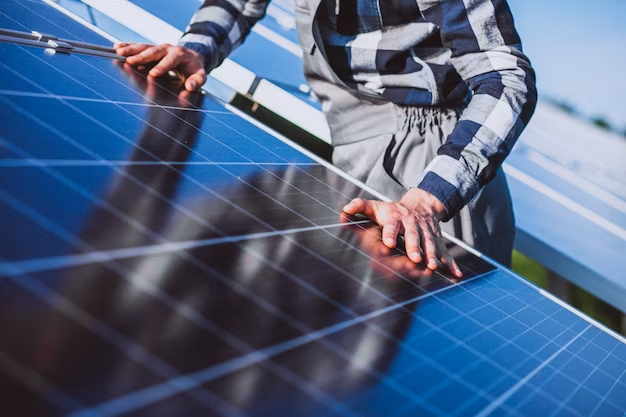
Solar panels harness the power of sunlight and convert it into clean electricity using new technology, such as pure silicon. This technology allows for more efficient energy production, resulting in higher watt output. There are different types of solar panels available, including monocrystalline and polycrystalline varieties. By exploring these options, you can optimize your energy production and savings.
So whether you’re a homeowner or a business owner, learning about the different wattage and equipment varieties of solar panels will empower you to make a smart choice that suits your needs. Let’s embark on this enlightening journey together!
Key Differences: Design, Cost, Efficiency
Exploring the variations in design among different types of solar panels.
There are various designs of solar cells available in the market, including monocrystalline panels. These solar technologies are made from a single crystal structure and have a uniform black appearance. Monocrystalline panels are known for their high efficiency levels and perform exceptionally well in low-light conditions. Solar installations utilizing this solar technology are popular due to these advantages.
On the other hand, we have polycrystalline solar panels that are made up of multiple silicon crystals. These panels have a blue color due to their manufacturing process. While they may not be as efficient as monocrystalline solar cells, they offer good performance at a lower cost, making them a popular choice for many homeowners interested in solar installations and solar technologies.
Thin-film solar panels present another design option for solar energy generation. These panels utilize a thin semiconductor material applied on a substrate such as glass or metal, making them lightweight and flexible. This allows for easy installation on curved surfaces or irregular shapes. However, their efficiency levels tend to be lower compared to monocrystalline cells or frames made from crystalline silicon-based panels.
Discussing how cost can vary based on factors such as materials and manufacturing processes.
Cost is a significant consideration when choosing solar panels, with factors like materials and manufacturing processes influencing the price. Monocrystalline panels generally come with a higher price tag due to their high efficiency and advanced technology, but offer better long-term value by generating more electricity over time. They can be worth the investment, as they generate twice as much electricity as other types of panels.
Polycrystalline panels, while slightly less expensive than monocrystalline ones, still provide decent efficiencies at a more affordable overall cost. Thin-film solar panels tend to be the least expensive option since they require fewer raw materials during production.
It’s worth noting that although upfront costs may vary among different types of solar panels, it’s essential to consider the long-term savings potential of mono and pure silicon crystal panels. Higher efficiency mono and pure silicon crystal panels may result in lower electricity bills over time, offsetting the initial investment.
Understanding how efficiency levels differ across various panel types.
Efficiency is a crucial factor when evaluating solar panels as it directly impacts their ability to convert sunlight into usable electricity. Monocrystalline panels typically have the highest efficiency rates, often exceeding 20%. This means they can generate more electricity per square foot compared to other types of panels, making them ideal for limited space installations.
Polycrystalline solar panels offer slightly lower efficiencies, typically ranging between 15% and 17%. While not as efficient as monocrystalline solar cells, they still provide satisfactory performance and are suitable for most residential solar systems.
Mono thin-film solar panels generally have the lowest efficiency levels among the different types, ranging from around 10% to 12%. However, their flexibility and lightweight nature make them an attractive option for specific installations where traditional rigid panels may not be suitable.
Importance of considering these factors when choosing a solar panel for your needs.
When selecting a solar panel system for your home or business, it’s essential to consider design variations such as thin film panels, amorphous panels, perc panels, and mono. These variations differ in costs and efficiency levels. By understanding these key differences, you can make an informed decision that aligns with your specific requirements and budget.
Factors such as available space, energy consumption patterns, and long-term goals should all be taken into account when considering residential solar systems. The use of perc solar panels and solar cells can greatly enhance the efficiency and performance of these systems.
Solar Roof Shingles & Shatterproof Panels
Solar roof shingles, including thin film panels, amorphous panels, and polycrystalline panels, are an innovative alternative to traditional rooftop installations. These shingles seamlessly integrate solar power generation into residential structures while also providing protective roofing material. Combining functionality and aesthetics, solar roof shingles have gained popularity among homeowners seeking sustainable energy solutions.
One of the key advantages of solar roof shingles is their durability. Made from materials like polycrystalline or monocrystalline panels, these shingles can withstand harsh weather conditions and last for several decades. Unlike traditional photovoltaic panels, which are mounted on top of existing roofs, solar roof shingles seamlessly blend with the rest of the roofing structure, giving a more aesthetically pleasing appearance.
Shatterproof panels are another type of solar panel that has gained attention in recent years due to their enhanced safety features. These panels are designed to be impact-resistant, making them ideal for areas prone to extreme weather conditions such as hailstorms or hurricanes. The use of advanced materials like amorphous thin-film panels or reinforced glass ensures that these shatterproof panels can withstand heavy impacts without breaking.
Both solar roof shingles and shatterproof panels offer flexibility. They can be easily integrated into various types of roofs, including those made of asphalt, metal, or tile. This adaptability allows homeowners to harness solar energy without compromising the integrity or aesthetics of their roofs.
In terms of benefits and drawbacks compared to standard photovoltaic panels, there are a few factors to consider. Solar roof shingles provide a more streamlined look since they blend seamlessly with the rest of the roof surface. On the other hand, traditional photovoltaic panels may require additional space on rooftops for installation purposes.
Shatterproof panels offer increased safety by minimizing the risk of shattered glass during extreme weather events. However, they may be slightly less efficient in converting sunlight into electricity compared to traditional monocrystalline or polycrystalline solar panels.
Passivated Emitter and Rear Contact (PERC) Cells
Passivated Emitter and Rear Contact (PERC) cells, also known as thin film panels, are a highly sought-after type of photovoltaic (PV) cells in the solar industry due to their innovative design and enhanced efficiency.
Unique Rear Contact Design
One of the key distinguishing factors of PERC cells, especially in comparison to traditional PV cells, is their rear contact design. Unlike monocrystalline solar panels or thin film panels, where the rear side remains unused, PERC cells utilize both the front and back sides effectively. By placing passivated emitter layers on the front side and a rear contact layer on the back side, these cells maximize light absorption and minimize electron recombination losses. This makes PERC cells an attractive option for residential solar applications.
Enhanced Performance through Passivation
The process of passivation plays a crucial role in enhancing the performance of PERC cells. Passivation involves coating the surface with thin layers to reduce electron recombination losses. This means that more electrons are able to reach the electrical contacts instead of being lost during transmission. As a result, PERC cells exhibit higher conversion efficiencies compared to conventional solar panels.
Higher Power Output and Temperature Coefficient Characteristics
Due to their unique design, PERC cells offer several advantages over other cell technologies, including monocrystalline solar panels and thin film panels. Firstly, they provide higher power output due to increased light absorption from both sides of the panel. This allows them to generate more electricity even in low-light conditions or when partially shaded.
PERC cells demonstrate better temperature coefficient characteristics compared to traditional solar panels. They are less affected by high temperatures, resulting in reduced power losses during hot weather conditions. This makes them an excellent choice for regions with high average temperatures or areas prone to heatwaves.
Comparisons with Other Cell Technologies
When comparing PERC cells with other popular cell technologies like monocrystalline or polycrystalline silicon, several differences become apparent. While monocrystalline cells, known for their high efficiency and sleek appearance, are a popular choice, thin film panels offer a cost-effective alternative with comparable performance. On the other hand, polycrystalline silicon cells, although generally less efficient, are more affordable than thin film panels.
In terms of environmental impact, PERC cells have an advantage over some traditional solar panels that use materials like cadmium. By utilizing passivation on the back side, PERC cells eliminate the need for toxic substances and reduce potential harm to the environment.
Amorphous Silicon (ASI) Thin Film Cells
Amorphous silicon thin film cells, also known as ASI cells, offer a viable alternative to traditional crystalline silicon-based panels. While they may have lower conversion efficiency compared to their crystalline counterparts, they possess unique characteristics that make them suitable for specific applications.
One notable advantage of amorphous silicon thin film cells is their flexibility. Unlike rigid crystalline silicon cells that rely on bulky and fragile silicon wafers, ASI cells are made from a thin semiconductor film. This flexibility allows for easy integration into various applications where traditional panels would be impractical or impossible to install. For example, ASI cells can be seamlessly integrated into curved surfaces such as vehicle roofs or even clothing, enabling innovative possibilities for solar power generation.
In addition to their flexibility, amorphous silicon thin film cells are lightweight. Their construction involves depositing multiple layers of amorphous silicon onto a substrate material. This process eliminates the need for heavy and expensive monocrystalline or polycrystalline silicon crystals typically used in conventional solar panels. The lightweight nature of ASI cells makes them ideal for portable applications like camping equipment or backpacks, where every ounce matters.
While amorphous silicon thin film cells may not match the conversion efficiency of crystalline silicon panels under optimal conditions, they excel in low-light environments. The unique structure of ASI cells allows them to capture sunlight from wider angles and across a broader spectrum than their crystalline counterparts. As a result, these thin film cells perform better in cloudy weather or shaded areas where traditional panels might struggle to generate electricity efficiently.
The advantages offered by amorphous silicon thin film cells make them particularly well-suited for building-integrated photovoltaics (BIPV). BIPV refers to the integration of solar panels directly into the design and construction of buildings, replacing conventional building materials with functional solar elements. ASI cells can be seamlessly integrated into windows, facades, or roofs, transforming these surfaces into energy-generating assets without compromising the aesthetics of the building.
Solar Panel Types by Power Capacity
Understanding the different power capacities available is crucial for designing an efficient and effective solar system. Power capacity refers to the maximum amount of power that a solar panel can generate under specific conditions.
Residential Installations
For residential installations, where space is often limited, solar panels with lower power capacities are commonly used. These panels are designed to generate enough electricity to meet the energy needs of a typical household. Power capacities in the range of 250 to 350 watts are commonly found in residential solar panels.
With lower power ratings, residential solar panels may require more physical space compared to higher-capacity panels. However, they are still highly efficient and can significantly reduce or even eliminate monthly utility bills for homeowners. These panels are easier to install on rooftops and require fewer components for connecting multiple units.
Commercial Installations
Commercial installations typically have larger energy demands compared to residential setups. Therefore, solar panels with higher power capacities are preferred for commercial applications. Panels ranging from 350 to 450 watts are commonly used in commercial settings.
The increased power output provided by these higher-capacity solar cells allows businesses to offset a significant portion of their electricity consumption with renewable energy generation. Moreover, fewer individual solar cells are needed due to their higher wattage rating, making installation more streamlined and cost-effective.
Utility-Scale Installations
Utility-scale installations involve massive arrays of solar panels that generate electricity on a large scale. These projects require solar panels with extremely high power capacities to maximize energy production while minimizing installation costs and land usage.
Solar panel types used in utility-scale installations often have power capacities exceeding 450 watts per panel. These high-capacity modules help achieve economies of scale by producing large amounts of clean energy efficiently.
Considering Power Capacity When Designing a Solar System The power capacity of solar panels directly impacts the size and number of panels required for a specific energy output. By selecting the appropriate power capacity, system designers can optimize space utilization and maximize power generation.
When designing a solar system, it is essential to consider factors such as available space, energy consumption patterns, and budget constraints. By understanding the different power capacities available in solar panels, homeowners, businesses, and utility companies can make informed decisions that align with their unique requirements.
Comparison of Major Solar Panel Types
Solar panels are a popular choice for harnessing renewable energy and reducing reliance on traditional power sources. However, with various types of solar panels available in the market, it can be challenging to determine which one is best suited for individual needs.
Efficiency Levels
When considering different types of solar panels, efficiency plays a crucial role. It determines how effectively a panel can convert sunlight into electricity. Here’s an overview of the efficiency levels among major panel types:
- Monocrystalline Panels: Known for their high efficiency rates, monocrystalline panels consist of single-crystal silicon cells that offer optimal performance even in low-light conditions.
- Polycrystalline solar cells: These panels are slightly less efficient than monocrystalline ones but are more affordable. Polycrystalline solar cells contain multiple silicon crystals and provide good overall performance.
- Thin-Film Solar Cells Panels: While thin-film solar cells panels have lower efficiency compared to crystalline ones, they excel in versatility and flexibility. They can be integrated into various surfaces like roofs or building materials.
Cost Differences
Cost is another critical factor to consider when choosing solar panels. Here’s a breakdown of the cost differences between different panel technologies:
- Monocrystalline solar cells panels: These panels tend to be more expensive due to their higher manufacturing costs and greater energy efficiency.
- Polycrystalline solar cells panels: With lower production costs compared to monocrystalline solar cells panels, polycrystalline options offer a more budget-friendly alternative without compromising significantly on performance.
- Thin-Film Solar Cells Panels: Thin-film solar cells panels are typically the most affordable option since they require fewer materials during production.
It’s important to note that while upfront costs of perc solar panels, solar cells, and monocrystalline solar panels may vary, the long-term savings from reduced electricity bills can offset these initial expenses.
Design Variations and Physical Characteristics
Solar panel design variations and physical characteristics also influence their suitability for different applications. Here are some key factors to consider:
- Size and Shape: Monocrystalline and polycrystalline solar cells usually come in standard rectangular shapes, while thin-film solar cells offer greater flexibility in terms of size and shape.
- Aesthetics: If visual appeal is a priority, monocrystalline solar cells often have a sleek black appearance that blends well with various roof types.
- Durability: Monocrystalline solar cells tend to be more durable due to their solid construction, while thin-film solar cells may require additional protection against potential damage.
- Installation Options: Depending on the type of solar panel, installation options may vary. Some panels are suitable for rooftop installations, while others can be integrated into building materials or used for off-grid applications.
Considering these design variations and physical characteristics will help determine which solar panel type aligns best with specific needs and preferences.
By comparing major solar panel types based on efficiency levels, cost differences, design variations, and physical characteristics, individuals can make informed decisions when selecting the most suitable option for their specific requirements.
Choosing the Best Solar Panel
Selecting the most suitable solar panel for your needs requires careful consideration of several factors. From budget and available space to energy requirements and geographical location, each aspect plays a crucial role in determining the right choice. Evaluating warranties, certifications, and the reputation of manufacturers or brands is essential. Seeking professional advice can also ensure that you make an informed decision.
There are various types available in the market. One popular option is PERC (Passivated Emitter Rear Cell) solar panels. These panels have a higher efficiency rate compared to traditional ones, making them a good option for those seeking maximum energy output from their installation.
To begin with, consider your budget when selecting a solar panel. Determine how much you are willing to invest in this renewable energy source. Keep in mind that while high-quality panels may come with a higher price tag initially, they often offer better long-term performance and durability.
Next, evaluate the available space for installing solar panels on your property. Different types of solar panels require varying amounts of space due to differences in size and design. If you have limited roof space or prefer ground-mounted systems, certain panel models may be more suitable than others.
Another crucial factor is understanding your energy needs. Calculate how much electricity you consume on average and consider any future changes in usage patterns. This information will help determine the capacity and number of solar panels required for your system.
Geographical location also plays a significant role in selecting the best solar panel type. Different regions experience varying light conditions throughout the year. Some panels perform better under low-light conditions or partial shading than others. Research which panel technology suits your specific climate to maximize energy generation.
In addition to these considerations, thoroughly examine warranties offered by manufacturers or brands of monocrystalline solar panels and solar cells before making a final decision. A longer warranty period indicates confidence in product quality and performance reliability.
Certifications are another aspect worth investigating when choosing solar panels. Look for certifications such as the International Electrotechnical Commission (IEC) and Underwriters Laboratories (UL). These certifications ensure that the panels meet industry standards and are safe to use.
Lastly, seek professional advice from reputable solar installers or consultants. They can assess your requirements, evaluate your property’s potential for solar energy generation, and recommend the most suitable panel options based on their expertise.
Key Differences in Solar Panels: Design, Cost & Efficiency
Solar panels come in various types, each with its own unique design, cost factors, and efficiency levels. Understanding these key differences is crucial when selecting the right solar panel for your energy needs.
Impact of Design on Performance and Installation Options
The design of a solar panel plays a significant role in its overall performance and installation feasibility. Different panel designs are tailored to suit specific applications and environments. For instance:
- Monocrystalline panels: These solar panels are made from a single crystal structure, resulting in high efficiency levels. Their sleek black appearance makes them popular for residential installations where aesthetics matter.
- Polycrystalline solar cells panels: Made from multiple silicon crystals, polycrystalline solar cells panels offer slightly lower efficiency but are more affordable than monocrystalline ones. They have a blue hue and can be an excellent choice for large-scale commercial installations.
- Thin-film solar cells panels: Thin-film technology utilizes flexible materials such as amorphous silicon or cadmium telluride. While less efficient than crystalline solar cells counterparts, thin-film panels are lightweight and suitable for unconventional surfaces like curved roofs or building-integrated photovoltaics (BIPV).
Considering the specific requirements of your property and desired aesthetics, including the use of solar cells, will help determine which design suits you best.
Variations in Cost Due to Materials Used and Manufacturing Processes
The cost of solar panels can vary significantly based on several factors including the materials used in their construction and the manufacturing processes involved. Here are some aspects that influence cost:
- Silicon quality: High-quality silicon wafers contribute to higher costs but also result in improved panel efficiency and longevity.
- Manufacturing techniques: Advanced manufacturing processes, such as passivated emitter rear contact (PERC) technology, can enhance panel performance but may increase the overall cost.
- Brand reputation: Established brands with a proven track record often charge a premium for their solar panels. However, they also provide reliability and excellent customer support.
It’s important to strike a balance between upfront costs and long-term benefits when considering the cost of solar panels.
Significance of Efficiency Levels in Electricity Generation
Panel efficiency refers to the ability of solar cells to convert sunlight into electricity. Higher efficiency panels generate more power per square foot, making them ideal for installations with limited space. When choosing solar panels based on efficiency levels:
- Consider your energy needs: If you have high energy requirements or limited roof space, opting for higher efficiency panels will maximize electricity generation.
- Temperature coefficient: Panels with lower temperature coefficients perform better in hot climates as they are less affected by heat-induced power losses.
While higher efficiency panels may come at a higher initial cost, they often lead to greater long-term savings due to increased energy production over time.
Importance of Considering Key Differences
When selecting solar panels for your home or business, it is crucial to consider these key differences in design, cost factors, and efficiency levels.
Categorizing and Assessing Different Types of Solar Panels
Solar panels come in a variety of types, each with its own set of advantages and disadvantages. Understanding the different categories can help you make an informed decision about which type is best suited for your specific needs.
Categorizing Based on Technology
One way to classify solar panels is by their underlying technology. The two main categories are crystalline silicon and thin film panels.
Crystalline Silicon Panels: These are the most common type of solar panels available today. They are made up of silicon wafers that have been sliced from a single crystal or cast from molten silicon. Crystalline silicon panels can be further divided into monocrystalline and polycrystalline varieties.
- Monocrystalline panels: Known for their high efficiency, monocrystalline solar panels are made from a single crystal structure. This results in a uniform appearance with rounded edges.
- Polycrystalline panels: Made from multiple silicon fragments melted together, polycrystalline solar panels have a speckled blue appearance. While they may be slightly less efficient than monocrystalline ones, they tend to be more cost-effective.
Thin Film Panels: As the name suggests, thin film solar panels are made by depositing photovoltaic material onto a substrate such as glass or metal. This process offers flexibility in terms of panel design but generally results in lower efficiency compared to crystalline silicon options. However, thin film technology has its own advantages:
- Lightweight and flexible: Thin film panels can be easily integrated into curved surfaces or irregular shapes.
- Better performance in low-light conditions: Thin film technology performs relatively well under cloudy or shaded conditions.
- Cost-effective for large-scale installations: Thin film panels are often used in utility-scale projects due to their lower manufacturing costs.
Categorizing Based on Application
Another way to categorize solar panels is by their application, specifically whether they are intended for rooftop or ground-mounted installations.
Rooftop Panels: These solar panels are designed to be mounted on rooftops, making them a popular choice for residential and commercial buildings. Rooftop panels offer several advantages:
- Space utilization: They utilize unused roof space efficiently, making them ideal for urban areas with limited land availability.
- Aesthetically pleasing: Rooftop solar panels can blend seamlessly with the overall architecture of a building.
- Shorter transmission distances: Since rooftop panels are installed directly on the building, the distance between the panel and energy consumption points is minimized.
Ground-Mounted Panels: Ground-mounted solar panels are typically installed on open land or fields. While they require more space compared to rooftop installations, they come with their own benefits:
- Optimal orientation: Ground-mounted panels can be adjusted to face the sun at an optimal angle, maximizing energy production.
- Easier maintenance and cleaning: Accessing and maintaining ground-mounted panels is generally easier than working on rooftops.
- Scalability: Ground-mounted systems can be expanded easily as energy needs grow.
Comparison of Major Types of Solar Panels
Monocrystalline vs Polycrystalline vs Thin Film vs PERC Cells
Understanding the differences between the major types is crucial. By examining their efficiency, cost-effectiveness, physical characteristics, strengths, weaknesses, and key considerations, you can make an informed decision that suits your needs.
1. Monocrystalline Solar Panels
Monocrystalline solar panels are known for their high efficiency and sleek appearance. They are made from a single crystal structure which allows electrons to move more freely within the panel. This results in greater energy production per square foot compared to other panel types. However, monocrystalline panels tend to be more expensive due to their manufacturing process.
2. Polycrystalline Solar Panels
Polycrystalline solar panels are made from multiple silicon crystals rather than a single crystal structure like monocrystalline panels. While they have slightly lower efficiency compared to monocrystalline panels, they offer a cost-effective option for those on a budget. Polycrystalline panels also have a blue hue due to their manufacturing process.
3. Thin Film Solar Panels
Thin film solar panels are lightweight and flexible compared to crystalline-based panels. They are made by depositing thin layers of photovoltaic material onto glass or plastic substrates. Thin film technology offers advantages such as low-cost production and better performance in low-light conditions. However, they generally have lower efficiency compared to crystalline-based options.
4. PERC (Passivated Emitter Rear Cell) Solar Panels
PERC cells represent an advancement in solar panel technology. They feature a rear-side passivation layer that enhances efficiency by reducing electron recombination. PERC panels have higher energy yields and perform better in hot climates compared to traditional crystalline-based panels. However, they are typically more expensive.
When comparing these major types of solar panels, there are several key considerations to keep in mind:
- Efficiency: Monocrystalline panels offer the highest efficiency, followed by polycrystalline, PERC cells, and thin film.
- Cost-effectiveness: Polycrystalline and thin film panels tend to be more cost-effective options compared to monocrystalline and PERC cells.
- Physical Characteristics: Monocrystalline and polycrystalline panels have a rigid structure, while thin film panels are flexible. PERC cells share similarities with monocrystalline panels but may have additional features like rear-side passivation layers.
- Strengths and Weaknesses: Monocrystalline panels excel in efficiency but come at a higher cost. Polycrystalline is a budget-friendly option with slightly lower efficiency. Thin film offers flexibility but sacrifices some efficiency. PERC cells provide improved performance in hot climates but can be pricier.
Disadvantages of Solar Energy and Main Types of Solar Panels
Limitations of Solar Energy
Solar energy is widely recognized as a sustainable and environmentally friendly source of power. However, it is important to acknowledge the limitations or disadvantages associated with this renewable energy option. By understanding these drawbacks, we can better appreciate the role that different types of solar panels play in addressing these challenges.
One significant limitation is the initial installation cost. While solar panels have become more affordable over the years, the upfront expenses can still be quite substantial for homeowners or businesses considering solar energy. However, it’s crucial to note that this investment pays off in the long run through reduced electricity bills and potential government incentives.
Another drawback is related to efficiency levels. Traditional solar panels have an average efficiency rate ranging from 15% to 20%. This means that only a portion of sunlight can be effectively converted into usable electricity. However, advancements in technology have led to the development of more efficient solar panels, such as monocrystalline and polycrystalline options, which offer higher conversion rates.
Environmental impact is also a consideration when evaluating solar energy. The production process for solar panels involves the use of various materials, some of which may have adverse environmental effects during extraction or manufacturing. Disposing of old or damaged panels requires proper recycling methods to minimize any potential harm.
Maintenance requirements are another factor worth mentioning. Although solar panels are known for their durability and longevity, they do require occasional cleaning and inspection to ensure optimal performance. Dust accumulation or shading from nearby objects can reduce their efficiency over time. Regular maintenance helps identify issues early on and ensures maximum output from the system.
Different Types of Solar Panels
To address these limitations associated with solar energy, several types of solar panels have been developed:
- Monocrystalline: These high-efficiency panels are made from single-crystal silicon cells and offer excellent performance even in low-light conditions. They are ideal for limited roof space and areas with high electricity costs.
- Polycrystalline: These panels are made from multiple silicon crystals, resulting in a lower efficiency rate compared to monocrystalline panels. However, they are more cost-effective and suitable for larger installations where space is not a constraint.
- Thin-Film: Thin-film solar panels use a different technology that involves depositing thin layers of photovoltaic material onto a substrate. While they have lower efficiency levels, they are flexible and lightweight, making them suitable for unconventional applications like curved surfaces or portable solar devices.
- Bifacial: Bifacial solar panels can capture sunlight from both sides, increasing their overall energy generation potential. This feature makes them especially useful in environments with reflective surfaces or when installed on elevated structures.
By evaluating factors such as installation costs, efficiency levels, environmental impact, and maintenance requirements of different types of solar panels, potential users can make informed decisions based on their specific needs and circumstances.
Factors to Consider When Selecting a Panel Type
Choosing the right type of solar panel for your needs requires careful consideration of several factors. By identifying these crucial factors, you can make an informed decision about the most suitable panel type that aligns with your requirements.
Available Space for Installation
One of the primary considerations when selecting a solar panel type is the available space for installation. Different types of panels have varying sizes and dimensions, which may impact their suitability for your property. For instance, if you have limited rooftop space, it would be more practical to opt for compact and efficient panels like PERC panels. On the other hand, if you have ample space available, you can consider larger film panels that offer higher energy output.
Budget Constraints
Another essential factor to consider is your budget constraints. Solar panel prices can vary significantly depending on their technology and efficiency levels. While high-end options might provide greater energy generation, they often come at a higher cost. It’s important to strike a balance between your desired energy output goals and what you can afford. Researching different panel types and their associated costs will help you find an option that fits within your budget while still meeting your energy needs.
Desired Energy Output Goals
Determining your desired energy output goals is crucial in choosing the right solar panel type. Each panel has its own efficiency rating, which indicates how effectively it converts sunlight into electricity. If maximizing energy production is a priority for you, then selecting panels with higher efficiency ratings would be ideal. However, keep in mind that higher efficiency usually comes with a heftier price tag.
Local Climate Conditions or Sun Exposure Levels
The local climate conditions and sun exposure levels in your area play a significant role in determining which solar panel type will perform best. Some panels are designed to work optimally in areas with high temperatures or low light conditions. Understanding the weather patterns and sun exposure levels specific to your location will help you choose a panel type that can withstand and thrive in those conditions.
Considering these factors will enable you to prioritize your requirements when selecting a solar panel type. By assessing the available space, budget constraints, desired energy output goals, and local climate conditions or sun exposure levels, you can make an informed decision that aligns with your needs. Remember to research and compare different panel types to find the one that strikes the perfect balance between efficiency, affordability, and suitability for your specific circumstances.
Determining the Best Type of Solar Panel for Your Home
There are several factors to consider. Evaluating your personal needs and circumstances is crucial to ensure you select the best fit option. From roof orientation and available installation area to energy consumption patterns and financial considerations, each aspect plays a significant role in determining the ideal panel type for residential use.
Assessing Roof Orientation and Available Area for Installation
The first step in selecting a solar panel for your home is assessing your roof’s orientation and available area for installation. Different types of solar panels have varying requirements. For instance, if you have limited roof space or an irregularly shaped roof, you may need to opt for more compact panels or consider alternative mounting options such as ground-mounted systems.
Understanding Energy Consumption Patterns
Another crucial factor in choosing the right solar panel is understanding your household’s energy consumption patterns. By analyzing your electricity usage throughout the day, you can determine how much power you need from your solar system. If you consume more energy during peak daylight hours, high-efficiency panels with maximum output during those times would be beneficial. On the other hand, if your energy usage is spread evenly throughout the day, standard efficiency panels may suffice.
Considering Financial Considerations
Financial considerations also play a vital role in selecting the best type of solar panel for residential use. The cost of installation, maintenance expenses, potential savings on electricity bills, and available incentives all need to be taken into account. While some homeowners prioritize upfront costs and seek affordable options like polycrystalline panels, others may opt for higher-priced monocrystalline panels due to their increased efficiency and long-term savings potential.
To help homeowners make an informed decision about their solar panel selection, here are some practical tips:
- Research different types of residential solar panels available in the market, including monocrystalline, polycrystalline, thin-film, and bifacial panels.
- Compare the efficiency ratings of various panel types to understand their performance capabilities.
- Consider the warranty offered by different manufacturers to ensure long-term reliability.
- Seek recommendations from trusted solar installers or consult online communities where homeowners share their experiences and insights.
Determining the best type of solar panel for your home requires careful evaluation of your specific needs. By considering factors such as roof orientation, available area for installation, energy consumption patterns, and financial considerations, you can confidently choose the ideal panel type that aligns with your requirements. Installing the right solar panel will not only help you generate clean energy but also maximize your savings in the long run. So take your time, do thorough research, and make an informed decision that suits both your budget and energy goals.
How Do Solar Panels Work?
Solar panels, also known as photovoltaic (PV) panels, are a crucial component of solar energy systems. They harness the power of sunlight and convert it into usable electricity through a process called the photovoltaic effect. Understanding how solar panels work is essential to grasp the basic functioning principles behind this renewable energy technology.
The Photovoltaic Effect
At the heart of solar panels are solar cells, which are responsible for converting sunlight into electricity. These cells are typically made from semiconductors like silicon. When sunlight hits these cells, it excites the electrons within them, creating an electric current. This phenomenon is known as the photovoltaic effect.
Key Components of Solar Panels
A typical solar panel system consists of several key components that work together to generate electricity:
- Photovoltaic Cells: These cells, often arranged in a grid-like pattern on a solar panel, capture sunlight and convert it into electrical energy.
- Semiconductors: Solar cells are primarily made from semiconductors like silicon or thin-film materials such as cadmium telluride or copper indium gallium selenide.
- Electrical Connections: Electrical connections within a solar panel system ensure that the generated electricity flows efficiently from one component to another.
- Inverter: The inverter converts the direct current (DC) produced by the solar panels into alternating current (AC), which is suitable for powering household appliances.
- Mounting System: Solar panels need to be securely mounted on rooftops or other structures to maximize their exposure to sunlight.
Harnessing Sunlight for Electricity
When sunlight strikes a solar panel system, its photons interact with the semiconductor material in each cell. This interaction dislodges electrons from their atoms, creating an electron flow or electric current. The electrical connections within the system then gather this current and channel it towards the inverter.
The inverter plays a crucial role by converting the DC electricity produced by the solar panels into AC electricity. This conversion enables the generated power to be used directly within homes or businesses, powering various appliances and electrical devices.
Solar panels provide a sustainable solution for generating electricity, as they rely on an abundant energy source: sunlight. By harnessing solar power, we can reduce our dependence on fossil fuels and contribute to a cleaner environment.
Efficiency of Different Types of Solar Panels
Solar panel efficiency is an important factor to consider when choosing the right solar panels for your energy needs. The efficiency of a solar panel refers to how effectively it converts sunlight into electricity.
Higher numbers are better as they indicate a greater ability to generate electricity from sunlight. Higher efficiency translates into increased electricity generation and better performance, making it an essential consideration for those looking to maximize their solar energy production.
Several factors influence the efficiency of solar panels. One key factor is the materials used in the cells. Different types of materials have varying levels of light absorption and electron conductivity, which directly impact the overall efficiency rate. For example, monocrystalline silicon panels are known for their high efficiency due to their uniform crystal structure, while polycrystalline silicon panels have slightly lower efficiencies but are more cost-effective.
Another factor that affects solar panel efficiency is the design and manufacturing processes employed. Innovations in panel design have led to significant improvements in overall efficiency ratings over time. Manufacturers have developed techniques such as passivated emitter rear contact (PERC) technology and back-contact cells, which enhance light absorption and minimize energy losses within the panel.
Environmental conditions can also impact panel performance. Factors like temperature fluctuations and shading can reduce a solar panel’s output by affecting its operating voltage or blocking sunlight altogether. It is crucial to consider these external factors when evaluating a panel’s expected energy production.
Considering all these aspects, it becomes evident that selecting a highly efficient solar panel is paramount for maximizing your investment in renewable energy. By opting for more efficient panels, you can generate more electricity from limited space while reducing your reliance on traditional power sources.
To summarize:
- Solar panel efficiency determines how effectively it converts sunlight into electricity.
- Higher efficiency leads to increased electricity generation and better overall performance.
- Factors such as cell materials, design, manufacturing processes, and environmental conditions influence panel efficiency.
- Monocrystalline silicon panels are known for their high efficiency, while polycrystalline silicon panels offer a more cost-effective option.
- Innovations in design and manufacturing have led to improved efficiency ratings over time.
- External factors like temperature fluctuations and shading can affect panel performance.
Conclusion: Understanding Different Types of Solar Panels
In conclusion, understanding the different types of solar panels is crucial when considering a switch to renewable energy for your home. By examining key differences in design, cost, and efficiency, you can make an informed decision that suits your specific needs.
Solar roof shingles and shatterproof panels offer a seamless integration into your existing roofing system while providing reliable energy generation. Passivated Emitter and Rear Contact (PERC) cells maximize efficiency by reducing energy loss through recombination. Amorphous Silicon (ASI) thin film cells offer flexibility and are ideal for unconventional applications.
There are various solar panel types available. Each type has its own advantages and disadvantages, making it important to compare them based on factors such as output and space requirements.
To choose the best solar panel for your home, consider factors like budget, available space, and desired efficiency. By assessing the different types of solar panels based on their design, cost, and efficiency characteristics, you can find the one that aligns with your goals.
It’s worth noting that while solar energy has numerous benefits, it also has some drawbacks. Understanding these disadvantages will help you make an informed decision about which type of solar panel is most suitable for you.
Factors such as installation costs, maintenance requirements, and warranty options should be considered when selecting a panel type. Determining the best type of solar panel for your home involves evaluating factors like geographic location and available sunlight.
By comprehending how solar panels work and their varying efficiencies across different types, you can optimize your investment in renewable energy sources.
In conclusion, understanding the different types of solar panels empowers you to make an educated choice that meets both your budgetary constraints and environmental goals. Take advantage of this knowledge to harness clean energy from the sun while reducing your carbon footprint.
FAQs
1. What are the main differences between different types of solar panels?
The main differences between different types of solar panels lie in their design, cost, and efficiency. Each type offers unique characteristics that can impact performance and suitability for specific applications.
2. How do I choose the best solar panel for my home?
To choose the best solar panel for your home, consider factors such as budget, available space, desired efficiency, installation costs, maintenance requirements, and warranty options. Evaluating these aspects will help you find a panel type that aligns with your goals.
3. What are the disadvantages of solar energy?
While solar energy has numerous benefits, it also has some drawbacks. These include high initial costs, intermittent power generation depending on weather conditions, and the need for sufficient roof space or land area to accommodate the panels.
4. Which type of solar panel is most efficient?
The efficiency of a solar panel depends on its technology and design. Passivated Emitter and Rear Contact (PERC) cells are known for their high efficiency levels due to reduced energy loss through recombination.
5. How do solar panels work?
Solar panels work by converting sunlight into electricity through the photovoltaic effect. When photons from sunlight strike the surface of the panel’s semiconductor material, they dislodge electrons that create an electric current.
Remember to consult with professionals in the field before making any final decisions regarding your choice of solar panels or installation process.