
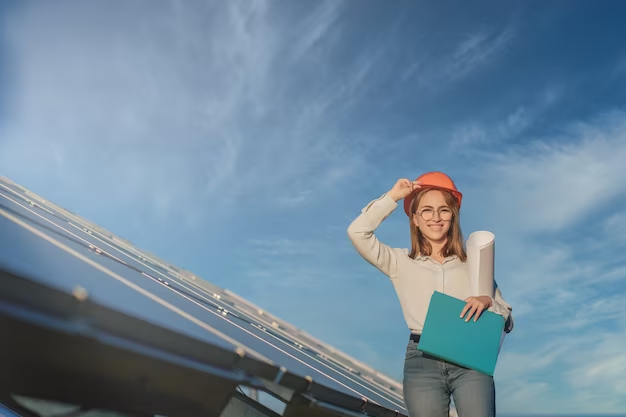
Are you tired of skyrocketing electricity bills? Looking for an eco-friendly way to power your house with lights? Well, look no further! Solar energy with battery backup is here to revolutionize the way we generate electricity. With solar panels installed on your roof, you can tap into the power of the sun and enjoy a host of incredible benefits, including tax credits. Not only is solar energy a renewable and sustainable source, but it also helps reduce your carbon footprint. By harnessing this clean energy source, homeowners can make a significant impact on the environment while saving money in the long run.
The popularity of residential solar power has been steadily increasing as more homeowners recognize its advantages. Installing a solar energy system at home not only allows you to generate electricity independently but also provides an opportunity for demonstration purposes, showcasing your commitment to sustainable living. So why wait? Let’s dive into the myriad benefits that solar energy brings to houses everywhere, from providing lights to overcoming the disadvantages.
Advantages of Residential Solar Electricity
Residential solar electricity offers numerous benefits for homeowners, including increased control over electricity bills and reduced dependence on traditional utility companies. With customizable solar power systems, consumers can harness the power of the sun and generate their own clean energy. However, it’s important to consider the disadvantages as well, such as the need for battery backup. Despite these drawbacks, more and more people are embracing this sustainable solution.
Generating Clean Energy
One of the primary advantages of residential solar power generation is the ability to generate clean energy right at home. By installing solar panels on rooftops or other suitable areas, homeowners can tap into the abundant sunlight and convert it into usable electricity. This renewable energy source produces zero emissions, making it an environmentally friendly alternative to fossil fuels. Not only does this help combat climate change, but it also reduces reliance on non-renewable resources. Additionally, generating electricity locally eliminates the need to rely solely on the local utility. However, it is important to consider the potential disadvantages of residential solar power generation.
Customizable Systems
Solar power systems can be tailored to meet the specific needs of each home, optimizing electricity production and reducing utility electricity bills. Whether you have limited roof space or a high energy consumption, there are options available to maximize efficiency and output. Homeowners can work with solar installation professionals who will assess their property’s unique characteristics and design a system that best suits their requirements. From panel placement to battery storage solutions, customization ensures optimal performance and long-term savings on the electricity bill.
Control Over Electricity Bills
Homeowners with residential solar power generation enjoy greater control over their electricity bills. Traditional utility costs often fluctuate due to factors beyond our control, such as changes in fuel prices or grid maintenance expenses. However, by generating your own energy through solar panels, you become less dependent on utility-provided electricity from the grid. This self-sufficiency allows you to stabilize your monthly expenses and potentially even eliminate them altogether if your system generates enough surplus energy. This is a major benefit for consumers.
Reduced Dependence on Utility Companies
Generating electricity from sunlight significantly reduces dependence on traditional utility companies for consumers. Rather than relying solely on utility-provided electricity, homeowners with solar panels become active participants in their own energy production process. This newfound independence offers a sense of security for consumers, especially during power outages or emergencies when the grid may be compromised. By harnessing the power of the sun, homeowners can ensure a continuous supply of electricity for essential appliances and devices, benefiting consumers.
Top Four Benefits of Home Solar Panels
Reducing Reliance on Fossil Fuels and Decreasing Greenhouse Gas Emissions
Home solar panels offer a sustainable alternative to traditional energy sources, helping to reduce reliance on fossil fuels and lower utility electricity bills. By harnessing the power of the sun, homeowners can generate their own clean and renewable energy right at home, contributing to the overall reduction of greenhouse gas emissions and dependence on the electric grid.
Solar panels convert sunlight into electricity through photovoltaic cells, eliminating the need for burning fossil fuels like coal or natural gas. By opting for solar energy, homeowners can actively participate in combating climate change and protecting the environment for future generations.
Increasing Home Value and Marketability
Installing solar panels on your home not only benefits the environment but also helps reduce energy costs for the homeowner. With an increasing demand for sustainable living and rising utility electricity prices, homes equipped with solar panels are becoming more desirable in the real estate market. Additionally, solar power generation adds value to your property.
Studies have shown that homes with solar panels tend to sell faster and at higher prices compared to those without. Potential buyers are attracted to properties that offer long-term cost savings on energy bills while reducing their ecological impact. Therefore, investing in solar panels for power generation is not only a smart environmental choice but also a wise financial decision that can significantly boost your home’s market value.
Greater Energy Independence and Security during Power Outages
One of the significant advantages for home buyers is having solar panels installed. Greater energy independence is achieved as solar panels generate electricity directly from sunlight, making you less reliant on external power sources. This is especially beneficial in areas susceptible to disruptions caused by severe weather conditions or infrastructure issues.
During power outages or blackouts, homes with solar panels can continue enjoying a reliable supply of electricity, which helps to reduce energy costs. This means you won’t have to worry about being left in the dark or experiencing disruptions in essential services like refrigeration or medical equipment operation.
Financial Incentives and Rebates for Homeowners
In addition to environmental and energy benefits, homeowners who choose to install solar panels may also qualify for various financial incentives and rebates. These incentives are often offered by governments at the federal, state, or local level to encourage the adoption of renewable energy.
Financial incentives can include tax credits, grants, or low-interest loans that help offset the initial cost of installing solar panels. In some cases, homeowners can even sell excess energy generated by their solar panels back to the grid through net metering programs, further reducing their electricity bills.
By taking advantage of these financial incentives and rebates, homeowners can make the switch to solar energy more affordable and attainable.
Cost Savings with Residential Solar Power
By installing residential solar panels, homeowners can enjoy numerous benefits, including significant cost savings. Let’s explore how harnessing the power of the sun can help lower your monthly utility bills and provide long-term financial advantages.
Lower Monthly Utility Bills
One of the most appealing aspects of residential solar power is its ability to generate electricity for your home. By utilizing solar panels, you can reduce reliance on traditional energy sources provided by utility companies. As a result, your monthly utility bills are significantly lowered.
Instead of solely relying on energy supplied by the local utility, solar power generation allows you to produce your own electricity. This means that you consume less energy from the grid and ultimately pay less to the utility company. The more energy your solar panels generate, the greater reduction in your monthly bills.
Offsetting Initial Investment
While there is an initial investment involved in installing solar panels, the long-term savings from reduced electricity costs can offset this expense over time. Although it may take several years to recoup the upfront costs, residential solar power systems have a lifespan of 25-30 years or more.
Consider it as a wise financial decision where you are essentially prepaying for decades’ worth of electricity at today’s rates. As conventional energy prices continue to rise steadily year after year, generating your own power through solar panels becomes increasingly advantageous financially.
Net Metering Programs
In some states, homeowners with residential solar systems can participate in net metering programs offered by their local utilities. These programs allow homeowners to earn credits for excess energy produced by their solar panels and feed it back into the grid.
During periods when your solar system generates more electricity than needed for household consumption, such as sunny summer days when air conditioning usage is low, this excess power is sent back to the grid. In turn, you receive credits from your utility company which can be used later when you require additional power during cloudy days or at night.
Minimal Maintenance Costs
Another benefit of residential solar power is the minimal maintenance costs associated with solar panels. Once installed, solar panels require very little upkeep, reducing the need for regular maintenance expenses. Occasional cleaning to remove dust and debris is typically all that is needed to keep them functioning optimally.
Compared to the potential long-term savings on electricity bills, these maintenance costs are negligible. It’s important to note that high-quality solar panels often come with warranties, further safeguarding homeowners from unexpected repair or replacement costs.
Environmental Benefits of Home Solar Energy
Switching to home solar energy has numerous environmental benefits that make it an attractive option for homeowners. By harnessing the power of the sun, households can significantly reduce their carbon footprint and contribute to a more sustainable future. Let’s explore some of the key environmental advantages of adopting solar energy for homes.
Combatting Climate Change
One of the most significant benefits of home solar energy is its ability to combat climate change. Traditional forms of electricity generation, such as coal or natural gas, release large amounts of greenhouse gases into the atmosphere. These gases trap heat and contribute to global warming, leading to detrimental effects on our planet.
In contrast, solar energy production does not emit any harmful pollutants into the air or waterways. By relying on renewable resources like sunlight, we can minimize our reliance on fossil fuels and reduce greenhouse gas emissions associated with conventional power plants. This shift towards cleaner energy sources is crucial in mitigating climate change and preserving our environment for future generations.
Improved Air Quality and Public Health
The adoption of solar energy at a household level also brings about improvements in air quality and public health outcomes. Traditional energy sources often release toxic pollutants such as sulfur dioxide, nitrogen oxides, and particulate matter that have adverse effects on human health.
By transitioning to solar power, we eliminate these harmful emissions from our daily lives. The absence of pollutants improves overall air quality in communities where solar energy is widely adopted, reducing respiratory problems and other health issues caused by poor air pollution.
Conservation of Finite Resources
Another notable benefit is the conservation of finite natural resources through the use of solar energy in homes. Conventional power plants rely heavily on coal or natural gas as fuel sources for electricity generation. However, these resources are limited and non-renewable.
Solar panels harness sunlight directly, which is an abundant resource available to us every day. By utilizing this renewable source instead of depleting finite resources, we can help preserve the environment and ensure a sustainable future for generations to come.
Increased Home Value through Solar Panel Installation
Homes with solar panels tend to have higher property values and sell faster in the real estate market. Solar panel installations are seen as a valuable home improvement that can attract environmentally conscious buyers. Studies have shown that homes with solar panels often command a premium price compared to similar properties without solar energy systems.
Installing solar panels on your home not only helps you reduce your carbon footprint and save on electricity bills but also adds significant value to your property. Potential buyers are increasingly looking for eco-friendly features, and solar installation is one of the most sought-after upgrades they consider.
Solar panels offer several advantages:
- Energy cost savings: By harnessing the power of the sun, homeowners can generate their own clean energy, reducing their reliance on traditional grid-supplied electricity. This translates into substantial savings on monthly utility bills, making homes with solar installations more appealing to budget-conscious buyers.
- Federal tax incentives: The federal government provides tax incentives for homeowners who install solar panels, further enhancing the financial benefits of going solar. These incentives can offset a significant portion of the initial installation costs and make investing in renewable energy even more attractive.
- Long-term return on investment: While installing solar panels requires an upfront investment, it pays off over time through long-term energy savings and increased home value. According to studies conducted by renowned institutions like Lawrence Berkeley National Laboratory, homes equipped with solar energy systems typically fetch higher prices when sold compared to non-solar properties.
- Environmental consciousness: With growing awareness about climate change and environmental issues, many potential buyers prioritize sustainable living options when searching for a new home. Solar panel installations demonstrate a commitment to renewable energy sources and reduce reliance on fossil fuels, making homes more appealing to environmentally conscious individuals.
- Faster sale process: Homes equipped with solar panels often sell faster than those without them due to the perceived value they offer. Buyers recognize the long-term savings and environmental benefits associated with solar energy, making them more likely to choose a home that already has this feature installed.
- Competitive advantage: In today’s competitive real estate market, having solar panels can give your home a unique selling point. It sets your property apart from others and positions it as a forward-thinking, environmentally friendly option.
Technological Advancements and Decreasing Prices
Advances in solar technology have revolutionized the way we harness energy from the sun. With continuous research and development, solar panels have become more efficient and affordable than ever before. This has opened up a world of possibilities for homeowners looking to embrace renewable energy sources.
Over the past decade, the cost of solar panels has significantly decreased, making them accessible to a wider range of consumers. Previously considered a luxury reserved for the wealthy, solar panels are now within reach for many households. The decreasing prices can be attributed to various factors such as advancements in manufacturing processes, economies of scale, and improvements in materials used.
Thanks to technological advancements, solar panels are now capable of converting sunlight into electricity with higher efficiency rates. This means that homeowners can generate more electricity from their solar systems using fewer panels. Not only does this save space by reducing the number and size of arrays required, but it also increases the overall output potential.
Moreover, ongoing research and development continue to improve the efficiency and performance of residential solar power systems. Scientists are constantly exploring new materials and designs that enhance energy conversion rates while reducing costs further. These advancements hold great promise for homeowners who want to maximize their energy consumption while minimizing their environmental impact.
In the near future, we can expect even greater breakthroughs in solar technology. As we push boundaries and explore new frontiers, we may witness innovations like flexible or transparent solar panels that seamlessly integrate into building materials or windows. These developments have the potential to transform our homes into self-sustaining power stations.
One key advantage of these technological advancements is that they allow homeowners to take control of their energy production at any given moment. By installing a residential solar power system, you become less reliant on traditional utility providers and gain independence over your electricity supply. This not only offers peace of mind during outages but also provides long-term financial benefits by reducing monthly bills.
Furthermore, considering the environmental impact of traditional energy sources, embracing solar energy becomes a responsible choice. By harnessing the power of the sun, homeowners can significantly reduce their carbon footprint and contribute to a cleaner and greener future for generations to come.
Embracing the Benefits of Solar Energy for Homes
Embracing solar energy for homes is not just a trend; it’s a powerful statement that reflects our commitment to sustainability and environmental stewardship. By harnessing the power of the sun, homeowners can significantly reduce their reliance on non-renewable resources like coal or natural gas, making a positive impact on our planet. Let’s explore some of the key benefits that come with adopting solar energy systems for homes.
Commitment to Sustainability and Environmental Stewardship
Installing solar panels on rooftops is an excellent way to demonstrate our dedication to preserving the environment. Solar energy is clean, renewable, and emits zero greenhouse gas emissions during operation. By utilizing this abundant source of power, we can help combat climate change and reduce our carbon footprint. With solar technology becoming more affordable and accessible than ever before, embracing it allows us to actively contribute to a greener future.
Reducing Reliance on Non-Renewable Resources
One of the significant advantages of solar energy is its ability to provide homeowners with energy independence. Unlike traditional electricity sources that rely heavily on fossil fuels, solar power harnesses the natural energy from the sun. By installing solar systems at home, individuals can generate their own electricity and become less dependent on external sources prone to price fluctuations or power outages.
A Cleaner, Greener Future for Generations
Investing in solar energy systems for homes goes beyond immediate benefits; it’s an investment in future generations. As we transition towards cleaner forms of energy production, we pave the way for a sustainable world where our children and grandchildren can thrive. Solar power offers long-term stability by providing reliable access to electricity while mitigating harmful environmental impacts associated with conventional methods.
Lowering Energy Costs
Another compelling benefit of embracing solar energy for homes is its potential to lower monthly utility bills significantly. Once installed, solar panels generate free electricity from sunlight, reducing the need to rely solely on the grid. Homeowners can enjoy substantial savings by offsetting their energy consumption with solar power, especially during peak daylight hours. Some regions offer incentives such as tax credits or net metering programs that further enhance the financial benefits of going solar.
Contributing to a Healthier Community
By adopting solar energy, homeowners actively contribute to building healthier communities. Traditional electricity generation methods often involve burning fossil fuels, releasing harmful pollutants into the air we breathe. Solar power eliminates these emissions, creating cleaner and safer environments for everyone. Moreover, embracing solar energy can inspire others in the community to follow suit, leading to a collective effort towards sustainable living.
Comparing the Pros and Cons of Solar Energy
Solar energy offers numerous benefits for homeowners, including reduced electricity costs, environmental advantages, and increased home value. However, it is important to consider both the pros and cons before making a decision about installing solar panels.
Pros of Solar Energy
One of the top benefits of solar energy for homes is the potential for significant cost savings on electricity bills. By generating your own clean energy from sunlight, you can reduce or even eliminate your reliance on traditional power sources. This means lower monthly expenses in the long run, as well as protection against rising utility rates.
In addition to financial savings, solar energy provides substantial environmental advantages. Unlike fossil fuels that contribute to air pollution and climate change, solar power is clean and renewable. By harnessing the sun’s energy, you can help reduce greenhouse gas emissions and do your part in combating global warming.
Furthermore, installing solar panels can increase the value of your home. Many prospective buyers are attracted to properties with existing solar systems because they recognize the long-term benefits associated with renewable energy. Studies have shown that homes equipped with solar panels tend to sell faster and at higher prices compared to non-solar homes.
Cons of Solar Energy
While there are many advantages to adopting solar energy for homes, there are also some disadvantages that should be considered. The initial installation cost can be a barrier for some homeowners who may not have sufficient funds available upfront. However, it’s worth noting that there are various financing options available such as leasing or entering into a power purchase agreement (PPA) which allow homeowners to install solar panels without high upfront costs.
Another important aspect to consider is whether your home is suitable for solar panel installation. Factors such as roof orientation, shading from nearby structures or trees, and local weather conditions can impact the efficiency of a solar system. It is crucial to conduct a proper evaluation before investing in solar panels to ensure optimal performance and maximum energy production.
Solar Energy Suitability for Different Roof Types
Solar energy is a versatile and sustainable solution for powering homes, and it can be installed on various roof types. Whether you have asphalt shingles, metal roofs, or flat roofs, solar panels can be adapted to suit your specific roofing materials.
When considering the suitability of installing solar panels on different roof types, it’s essential to take into account roof orientation and shading. The amount of sunlight exposure your roof receives throughout the day will directly impact the efficiency and effectiveness of your solar energy system.
A professional assessment by a qualified installer is crucial in determining if your roof is suitable for optimal sunlight exposure for a solar array. They will evaluate factors such as the angle of your roof, any potential obstructions that may cause shading, and the overall structural integrity of your roof for a solar power system.
Asphalt Shingles
Asphalt shingle roofs are one of the most common types found in residential properties. The good news is that they are generally suitable for solar panel installation. The installation process involves attaching racks or brackets onto the shingles without compromising their integrity. It’s important to note that older or damaged shingles may need to be replaced before installing solar panels.
Metal Roofs
Metal roofs offer excellent durability and longevity, making them an ideal candidate for solar panel installation. Their smooth surface allows for easy mounting of solar panels using specialized clamps or brackets. Metal roofs often provide better heat dissipation than other roofing materials, which can enhance the overall performance of your solar energy system.
Flat Roofs
Flat roofs present unique opportunities for solar panel installation. Since there is no slope involved, installers can position solar panels at an optimal angle to capture maximum sunlight exposure throughout the day. Mounting systems like ballasted racking or tilted racks can be used to secure the panels in place on flat roofs.
Considering these different options allows homeowners with varying roof types to benefit from renewable energy solutions like solar power. By harnessing the sun’s energy, you can significantly reduce your carbon footprint and lower your monthly electricity bills.
The Cost of Solar Power for Homeowners
The cost of installing residential solar power depends on several factors. These include the size of the solar power system, location, available incentives, and individual energy needs. While the initial investment may seem high, there are long-term cost savings and potential financial incentives that make solar power an economically viable option for homeowners.
One of the main considerations when investing in a solar array is the upfront cost. Larger solar arrays generally require a higher upfront cost compared to smaller ones. However, it’s important to note that larger solar arrays can also generate more electricity, resulting in greater long-term savings on utility bills.
Location is another factor that affects the cost of solar installations. Some regions receive more sunlight throughout the year, making them more conducive to harnessing solar energy efficiently. Homeowners in sunnier areas may find that their solar panels generate more electricity, leading to quicker returns on investment.
Available incentives play a significant role in reducing the overall cost for homeowners who want to switch to solar power. Governments and local authorities often provide various incentives such as tax credits or rebates to encourage renewable energy adoption. These incentives can significantly offset the initial costs associated with installing a solar power system.
Individual energy needs should also be considered when evaluating the cost of going solar. Homeowners with higher electricity consumption will benefit more from investing in a larger system since they can cover a larger portion of their energy needs with renewable sources like solar power.
To help manage upfront costs, various financing options are available for homeowners interested in transitioning to solar energy:
- Solar loans: Many financial institutions offer loans specifically designed for financing residential solar installations. These loans allow homeowners to spread out the initial cost over time while still enjoying immediate benefits from reduced utility bills.
- Leasing programs: Some companies offer leasing programs where homeowners can lease a complete solar power system instead of purchasing one outright. This eliminates the need for an upfront payment, making it a more accessible option for those on a tighter budget.
By considering these financing options, homeowners can overcome the hurdle of the initial cost and make solar power a viable choice for their energy needs.
Is Solar Energy Worth the Investment?
Solar energy is a worthwhile investment for homeowners seeking long-term cost savings and environmental benefits. By harnessing the power of the sun, solar panels can generate clean and renewable electricity for your home. However, before making the decision to invest in solar energy, it’s important to evaluate various factors that can impact its return on investment (ROI).
The ROI for solar panels can vary depending on factors such as location, electricity rates, and available incentives. Let’s delve into these considerations further.
Location
The amount of sunlight your location receives plays a crucial role in determining the effectiveness of solar panels. Areas with abundant sunshine throughout the year are more likely to yield higher energy production from solar installations. If you live in a region blessed with ample sunshine, investing in solar energy can be particularly advantageous.
Electricity Rates
Rising electricity costs are a concern for many homeowners. One of the significant benefits of solar energy is its potential to reduce or even eliminate monthly utility bills. As utility rates continue to increase over time, investing in solar panels allows you to lock in lower electricity costs by generating your own power. This not only provides immediate savings but also protects you from future rate hikes.
Available Incentives
Government incentives and rebates further enhance the financial viability of installing solar panels. Many countries and local governments offer tax credits or grants that offset a portion of the installation costs. These incentives make going solar more affordable and accelerate the payback period.
Evaluating your specific energy needs and financial goals will help determine if solar energy is worth the investment for your home. Considerations such as your average monthly electricity consumption, budget for upfront costs, and desired payback period should all be taken into account.
If you have high electricity usage or reside in an area with expensive utility rates, investing in solar energy can provide substantial long-term cost savings. If you have a strong commitment to reducing your carbon footprint and promoting sustainability, solar energy aligns perfectly with these values.
Moreover, solar panels can increase the value of your home. Studies have shown that homes equipped with solar installations tend to sell at a higher price compared to those without. This not only provides an immediate return on investment but also makes your property more attractive to potential buyers in the future.
Reducing Home Electricity Costs with Solar Energy
Solar energy has emerged as a game-changer for homeowners, offering numerous benefits that go beyond environmental sustainability. One of the most significant advantages is the potential to reduce home electricity costs through the installation of solar panels. By harnessing the power of sunlight, homeowners can generate their own electricity, thus diminishing their reliance on grid-supplied power and lowering monthly utility bills.
With solar panels installed, homeowners have the ability to produce clean energy directly from sunlight. This renewable source can offset a substantial portion of their electricity consumption, resulting in considerable savings on energy bills. By tapping into this alternative energy production method, households can break free from the shackles of skyrocketing electricity costs imposed by traditional utilities.
Moreover, excess energy generated by solar panels during peak production periods can be fed back into the electric grid. This surplus electricity is credited to homeowners through net metering programs, further contributing to reducing home electricity costs. Essentially, when solar panels produce more energy than needed, it gets sent back to the grid and homeowners receive credits that offset future electric bills.
The financial benefits of solar energy extend beyond reduced electricity bills. Homeowners who invest in solar panel installations often witness an increase in property value. Prospective buyers are increasingly drawn towards homes equipped with sustainable features such as solar panels due to their long-term cost-saving potential. Therefore, embracing solar energy not only provides immediate economic advantages but also serves as a wise investment for future financial gains.
In addition to saving money on monthly expenses, adopting solar energy significantly reduces carbon footprints associated with conventional power generation methods. Traditional sources like coal or natural gas emit greenhouse gases that contribute to climate change and air pollution. Conversely, generating electricity from sunlight produces zero emissions and helps combat global warming while promoting cleaner air quality within communities.
By reducing home electricity costs through solar energy adoption, homeowners gain independence from volatile utility rates and contribute positively towards environmental preservation efforts simultaneously. Embracing this renewable energy source empowers households to take control of their energy production and consumption, paving the way for a more sustainable future.
Low Maintenance Costs of Solar Panels
Solar panels have gained immense popularity in recent years due to their numerous benefits, including their ability to generate clean and renewable energy. One significant advantage that homeowners can enjoy when investing in solar energy is the low maintenance costs associated with solar panels.
Once solar panels are properly installed by professionals, they require minimal maintenance. This means that homeowners can sit back and relax while enjoying the benefits of solar energy without worrying about expensive upkeep. Regular cleaning of the panels is recommended to remove any dust or debris that may accumulate over time. However, this cleaning process does not involve significant expenses or effort.
Most reputable solar panel manufacturers provide warranties that cover any potential defects or issues during the expected lifespan of the panels. These warranties offer homeowners peace of mind, knowing that they are protected against unforeseen circumstances. In the rare event that a problem arises with the panels, homeowners can simply reach out to the manufacturer for assistance.
The low maintenance costs associated with solar panels make them an attractive option for homeowners looking to reduce their reliance on traditional energy sources. Unlike other home systems or appliances that often require regular servicing and repair, solar panels operate efficiently for many years with minimal intervention.
Furthermore, by investing in solar energy, homeowners can also save money on their electricity bills in the long run. As traditional forms of energy become more expensive over time, harnessing the power of sunlight through solar panels becomes increasingly cost-effective.
In addition to low maintenance costs and financial savings, utilizing solar energy also has environmental benefits. Solar power is a clean and renewable source of energy that helps reduce greenhouse gas emissions and combat climate change. By choosing to install solar panels on their homes, individuals contribute towards a greener future while enjoying all its advantages.
To summarize:
- Solar panels require minimal maintenance once installed properly.
- Regular cleaning of your solar power system helps maintain its optimal performance without significant expenses or effort.
- Reputable manufacturers provide warranties for potential defects in the solar power system’s panels during their lifespan.
- Low maintenance costs make solar panels an attractive option for homeowners.
- Solar energy reduces reliance on traditional energy sources and saves money on electricity bills.
- Utilizing solar power contributes to a greener future by reducing greenhouse gas emissions.
Investing in solar energy not only brings financial savings but also allows homeowners to play their part in creating a sustainable future. With low maintenance costs and the potential for long-term benefits, solar panels are indeed an excellent choice for homes seeking clean and renewable energy solutions.
Saving Money with Solar Panels
Investing in solar panels can be a smart financial move for homeowners, offering numerous benefits that go beyond environmental sustainability. One of the primary advantages is the opportunity to save money by generating your own electricity instead of relying solely on utility companies. Let’s explore how solar panels can help you achieve significant cost savings.
Reduced Electricity Bills
By harnessing the power of the sun, solar panels allow homeowners to generate their own clean and renewable energy. This means you can significantly reduce or even eliminate your reliance on traditional electricity sources, resulting in substantial savings on your monthly bills. Rather than purchasing electricity at retail rates from utility companies, you’ll be using the free energy generated by your solar panel system.
Over time, these accumulated savings can outweigh the initial installation costs of solar panels. While the upfront investment may seem daunting, it’s important to consider the long-term financial benefits. With proper maintenance and care, solar panels have a lifespan of 25 years or more, providing consistent savings throughout their lifetime.
Financial Incentives
In addition to ongoing savings on electricity bills, there are various financial incentives available that can further enhance cost savings when investing in solar panels. Governments and utility companies often provide tax credits or rebates as incentives for adopting renewable energy solutions like solar power systems.
For example:
- Homeowners may qualify for federal tax credits that offset a portion of their upfront installation costs for a solar power system.
- Some states offer additional tax incentives or grants to encourage residential solar panel installations.
- Utility companies sometimes offer net metering programs where excess energy generated by your solar array is fed back into the grid, allowing you to earn credits towards future bills.
These financial incentives not only reduce the overall cost of installing a solar panel system but also contribute to faster payback periods and increased return on investment.
Battery Backup for Energy Independence
Another way homeowners can save money with solar panels is by incorporating battery backup systems into their setup. Solar batteries store excess energy generated during the day for use during nighttime or periods of low sunlight. By utilizing battery backup, you can further reduce your reliance on the grid and avoid peak-time electricity rates.
During power outages, solar batteries can provide a reliable source of electricity to keep essential appliances running. This means you won’t have to rely solely on expensive generators or be left in the dark when unexpected disruptions occur.
Advantages of Solar Panels for Homes
Solar panels provide a reliable source of renewable energy that reduces dependence on fossil fuels and non-renewable resources. By harnessing the power of the sun, homeowners can significantly contribute to a cleaner and greener environment. Solar energy is abundant and readily available, making it an excellent alternative to traditional electricity sources.
Installing solar panels can help stabilize and lower electricity costs, providing long-term financial benefits for homeowners. With rising utility rates becoming a growing concern for many households, solar panels offer a cost-effective solution. By generating their own electricity through solar power, homeowners can reduce their reliance on the grid and avoid fluctuating energy prices. This not only provides savings in the long run but also shields them from potential price hikes in the future.
Solar energy systems require minimal maintenance and have a lifespan of 25 years or more, ensuring long-lasting advantages. Unlike other home appliances that may need frequent repairs or replacements, solar panels are built to withstand various weather conditions and require little upkeep. Occasional cleaning to remove dust or debris is usually sufficient to keep them functioning optimally. Most reputable solar panel manufacturers offer warranties that cover any defects or malfunctions during the system’s lifespan.
By leveraging solar power for homes, homeowners can enjoy several additional benefits:
- Energy independence: Solar panels allow homeowners to generate their own electricity independently from the grid. This not only provides peace of mind during power outages but also reduces dependency on external energy sources.
- Increased property value: Installing solar panels adds value to residential properties. Studies have shown that homes equipped with solar systems tend to sell faster and at higher prices compared to those without.
- Government incentives: Many governments around the world provide incentives such as tax credits or rebates for installing solar panels. These financial incentives further enhance the economic viability of adopting solar energy.
- Environmental impact: Solar energy is clean and renewable, producing no greenhouse gas emissions during operation. By choosing solar power, homeowners can actively contribute to reducing carbon footprints and combating climate change.
Frequently Asked Questions about Solar Energy
How do solar panels work?
Solar panels, also known as photovoltaic (PV) panels, harness the power of sunlight to generate electricity. They are made up of multiple solar cells that convert sunlight into direct current (DC) electricity. These cells consist of layers of semiconductor materials, usually silicon, which create an electric field when exposed to light. When photons from the sunlight strike the solar cells, they knock electrons loose from their atoms, generating an electric current. This DC electricity is then converted into alternating current (AC) through an inverter and can be used to power appliances and lighting in homes.
What is the average payback period for solar panel installations?
The payback period for a solar panel installation depends on various factors such as the cost of the system, available incentives, local electricity rates, and individual energy consumption. On average, homeowners can expect a payback period ranging from 5 to 15 years. However, it’s important to note that this estimate can vary significantly based on location and specific circumstances.
Are there any government incentives available?
Yes! Governments around the world offer various incentives to encourage homeowners to adopt solar energy systems. These incentives aim to offset the upfront costs and make solar installations more affordable. Some common government incentives include:
- Federal tax credits: In many countries, including the United States, homeowners can claim a federal tax credit for a percentage of their solar system’s cost.
- Rebates: Some states or local municipalities provide cash rebates for installing solar panels.
- Net metering: This program allows homeowners with solar systems to sell excess electricity back to the grid in exchange for credits on their utility bills.
It’s essential for homeowners considering solar energy systems to research and take advantage of these incentives as they can significantly reduce overall costs.
What about system performance during cloudy days or winter months?
Solar panels still generate electricity even on cloudy days, although at a reduced efficiency compared to sunny conditions. The panels can still capture diffuse sunlight and convert it into usable electricity. Solar systems are designed to produce more energy during the summer months when daylight hours are longer.
During winter months, shorter daylight hours and potential snow cover may affect system performance. However, advancements in technology have improved the efficiency of solar panels in low-light conditions. Proper installation and tilt angle optimization can help maximize energy production during winter.
What financing options are available for solar systems?
To make solar panel installations more accessible, various financing options are available for homeowners. These include:
- Solar loans: Many financial institutions offer specialized loans for solar installations with favorable interest rates.
- Power Purchase Agreements (PPAs): Under a PPA, homeowners can lease a solar system from a third party that installs and maintains it. Homeowners pay for the electricity generated by the system at a predetermined rate.
- Solar leases: Similar to PPAs, homeowners can lease a solar system and pay fixed monthly fees instead of purchasing the equipment outright.
Each financing option for a solar power system has its own advantages and considerations, so it’s important to evaluate them based on individual circumstances before making a decision.
Can solar energy lead to savings on electricity bills?
Yes! One of the significant benefits of installing a solar system is potential savings on electricity bills. By generating your own clean energy from sunlight, you can reduce reliance on traditional utility-generated power.
Increasing Home Value with Solar Panels
Homes equipped with solar panels have become increasingly popular in recent years, and for good reason. Not only do they provide homeowners with a sustainable and clean energy source, but they also offer numerous financial benefits. One of the key advantages of installing solar panels is the potential to increase the value of your home. Let’s explore why homes with solar panels tend to have higher resale values compared to similar properties without renewable energy systems.
Cost Savings and Environmental Benefits
The primary reason behind the increased home value associated with solar panels lies in the perceived cost savings that come from reduced electricity bills. By harnessing sunlight as an alternative energy source, homeowners can significantly reduce their reliance on traditional power grids. This translates into substantial savings over time, making properties equipped with solar panels highly attractive to potential buyers.
Moreover, solar energy production is environmentally friendly and sustainable. As more people embrace renewable energy solutions, the demand for homes with solar panels continues to rise. Buyers are not only drawn to these properties because of their reduced carbon footprint but also because they align with their personal values regarding environmental conservation.
Faster Selling Time
Studies have shown that homes fitted with solar panels sell faster in the real estate market compared to those without such installations. This can be attributed to several factors that make these properties stand out among others.
Firstly, homes equipped with solar panels possess unique features that set them apart from conventional houses. The sleek appearance of solar arrays integrated seamlessly into rooftops adds a modern touch and enhances curb appeal, attracting potential buyers at first glance.
Secondly, prospective homeowners recognize the long-term financial benefits of investing in a property already equipped with a reliable and efficient renewable energy system. They understand that by purchasing a home with existing solar infrastructure, they will immediately enjoy reduced utility costs while contributing positively towards sustainable living.
Lastly, buying a home fitted with solar panels represents an investment opportunity for many individuals seeking long-term financial gain. As electricity prices continue to rise, the value of solar energy systems increases in tandem. This means that homeowners can potentially experience a return on their investment as the demand for renewable energy rises.
Long-Term Savings with Solar Energy
Investing in solar energy offers significant long-term savings by reducing or eliminating monthly electricity bills over the lifespan of the system. With rising concerns about climate change and the increasing popularity of renewable energy, more homeowners are turning to solar power as a sustainable and cost-effective solution.
Solar panels have a typical lifespan of 25 years or more, allowing homeowners to enjoy decades of cost savings after recouping their initial investment. Unlike traditional power sources that rely on fossil fuels, solar energy harnesses the power of the sun, which is an abundant and renewable resource. By generating electricity from sunlight, homeowners can significantly reduce their dependence on utility companies and their fluctuating rates.
One of the key benefits of solar energy for homes is its ability to earn credits through net metering programs. Net metering allows homeowners to sell excess electricity generated by their solar panels back to the grid. This means that during times when your solar system produces more electricity than you consume, such as sunny summer days when you’re away at work, you can accumulate credits that offset future electricity costs. These credits can be used during periods when your solar system doesn’t generate enough electricity, such as cloudy days or nighttime.
By investing in battery storage technology along with your solar panels, you can further enhance your long-term savings. Battery storage systems allow you to store excess energy produced during the day for use during times when there isn’t sufficient sunlight available. This ensures that you have a reliable source of power even during inclement weather or at night when your solar panels aren’t actively producing electricity.
Over several years, these savings can add up significantly. Homeowners who switch to solar energy often experience substantial reductions in their monthly electric bills right from day one. As utility rates continue to rise year after year, those who rely solely on traditional power sources may find themselves paying increasingly higher bills while those with solar panels enjoy stable or even decreasing electricity costs.
In addition to the long-term financial benefits, solar energy also provides homeowners with a sense of environmental responsibility. By reducing reliance on fossil fuels and decreasing greenhouse gas emissions, solar power contributes to a cleaner and more sustainable future for generations to come.
Conclusion: The Benefits of Solar Energy for Homes
In conclusion, the benefits of solar energy for homes are numerous and significant. By harnessing the power of the sun, homeowners can enjoy advantages such as cost savings, environmental benefits, increased home value, and technological advancements.
One of the key advantages is the cost savings that come with residential solar power. By generating their own electricity, homeowners can reduce their reliance on traditional energy sources and lower their monthly utility bills. Government incentives and tax credits make solar panel installation even more affordable.
Another benefit is the positive impact on the environment. Solar energy is clean and renewable, producing no harmful emissions or pollution. By adopting solar power for homes, individuals can contribute to a greener future by reducing their carbon footprint.
Furthermore, installing solar panels can increase home value. Studies have shown that homes equipped with solar energy systems tend to sell faster and at higher prices compared to non-solar properties. This investment not only provides immediate financial benefits but also enhances long-term property value.
Technological advancements in solar panel technology have led to decreasing prices over time. As manufacturing processes improve and economies of scale kick in, the cost of installing residential solar panels continues to decline. This trend makes it increasingly accessible for homeowners to embrace the benefits of solar energy.
To fully understand whether investing in solar energy is worth it for your specific situation, it’s essential to compare its pros and cons. While there are upfront costs involved in installation, the long-term savings outweigh these expenses for many homeowners.
Solar energy is suitable for various roof types due to its flexibility in installation options. Whether your roof has a steep slope or faces a certain direction, there are solutions available that can maximize sunlight absorption.
In terms of maintenance costs, solar panels require minimal upkeep once installed properly. Routine cleaning and occasional inspections ensure optimal performance without significant expenses.
Overall, embracing solar energy offers an array of advantages for homeowners looking to save money, reduce their environmental impact, and increase their property’s value. With improving technology and decreasing costs, the benefits of solar energy are becoming more accessible to everyone.
FAQs
Q: How much can I save on my electricity bills by using solar energy for my home?
By utilizing solar energy for your home, you can significantly reduce or even eliminate your electricity bills. The exact amount of savings will depend on factors such as your location, energy consumption, and the size of your solar system.
Q: Are there any government incentives available for installing solar panels?
Yes, many governments offer incentives to encourage homeowners to adopt solar power. These incentives may include tax credits, grants, rebates, or net metering programs that allow you to sell excess electricity back to the grid.
Q: Can I still use electricity from the grid if I have solar panels?
Yes, you can still use electricity from the grid when needed. During periods when your solar panels do not generate enough power (such as at night), you can draw electricity from the grid seamlessly.
Q: How long does it take to recoup the cost of installing solar panels?
The payback period for a residential solar system typically ranges from 5 to 10 years. However, this timeframe may vary depending on factors like upfront costs, local energy rates, and available incentives.
Q: Do solar panels require direct sunlight to work effectively?
While direct sunlight is ideal for optimal performance, modern solar panel technology allows them to generate electricity even on cloudy days. Some systems are designed to capture diffused sunlight as well.