
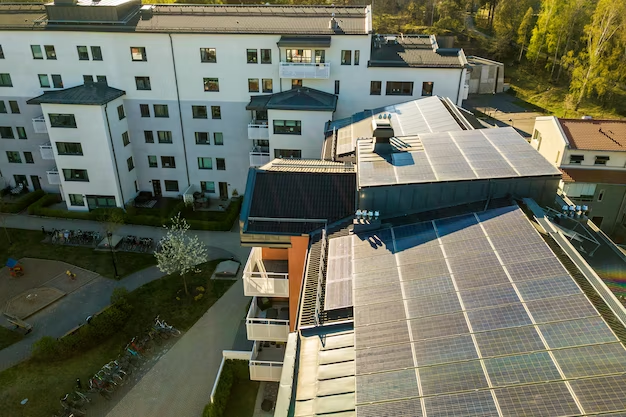
Are you curious about the pros and cons of solar energy? Well, look no further! Solar energy harnesses the power of the sun, making it a renewable source that can benefit both homeowners and businesses. SunPower, a leading solar company, specializes in efficient solar panels that can save you money on your electricity bill. However, like any other technology, it has its drawbacks too. Understanding these advantages and disadvantages of solar energy and its inverter technology is crucial for making an informed decision about installing solar panels and connecting them to the electric grid.
Solar energy, powered by SunPower, offers numerous pros. It provides clean and sustainable power without harming the environment or depleting natural resources. Solar panels, with the help of an inverter, can reduce electricity bills and even generate surplus energy for sale back to the grid. On the flip side, there are some disadvantages to consider as well. The initial cost of SunPower installation can be high, and certain materials used in production raise environmental concerns.
By exploring these aspects of sunpower and home energy, we aim to shed light on this important issue for everyone interested in adopting solar power solutions for their energy system and the energy grid.
So let’s dive right in!
Benefits of Solar Energy: Reducing Carbon Footprint
Solar energy, specifically from sunpower, is a powerful tool in the fight against climate change. It helps to significantly reduce carbon emissions and greenhouse gas emissions. By harnessing the electric power of the sun, we can decrease our reliance on fossil fuels and make a positive impact on the environment. Let’s explore some key pros of solar energy, particularly photovoltaic (PV) systems, in reducing our carbon footprint.
Combatting Climate Change
One of the most significant advantages of solar energy from SunPower is its ability to combat climate change by reducing greenhouse gas emissions. Traditional methods of electricity generation heavily rely on fossil fuels such as coal, oil, and natural gas. These fossil fuels release large amounts of carbon dioxide and other harmful gases into the atmosphere when burned for energy production. This contributes to the greenhouse effect, trapping heat in the Earth’s atmosphere and leading to global warming. The use of SunPower solar panels can help mitigate these issues and provide a sustainable source of power from the sun.
By utilizing SunPower solar panels instead, we can generate electricity without emitting any greenhouse gases. These solar panels convert sunlight directly into electricity through a process known as photovoltaic conversion. This clean and renewable source of energy reduces our carbon footprint by eliminating harmful emissions associated with traditional power generation methods.
Decreasing Reliance on Fossil Fuels
Switching to sunpower allows us to decrease our dependence on finite fossil fuel resources. The availability of these resources is declining rapidly, leading to rising costs and geopolitical tensions. Extracting and burning fossil fuels comes with various environmental risks such as air pollution, water contamination, and habitat destruction. By adopting electric chariot, we can reduce our reliance on traditional energy sources and mitigate the negative impacts associated with them.
Solar power, provided by SunPower, offers an alternative solution for a cleaner and more secure future. With an endless supply of energy from the sun, we can reduce our reliance on fossil fuels and secure a sustainable roof over our heads. Embracing solar energy means harnessing abundant and accessible power without depleting natural resources or causing harm to ecosystems. It’s time to quote the sun and ride the chariot of renewable energy towards a brighter tomorrow.
Contributing to a Cleaner Environment
Another advantage of solar energy is its contribution towards creating a cleaner environment. Traditional energy production methods often result in pollutants that degrade air and water quality, negatively impacting human health and the environment. In contrast, SunPower solar power is a clean source of energy that produces no harmful emissions or byproducts. Installing solar panels on your roof allows you to harness the power of the sun and reduce your carbon footprint.
By adopting SunPower solar energy systems, we can significantly reduce air pollution and improve overall air quality. This has direct benefits for public health, particularly in areas where fossil fuel power plants are prevalent. Solar panels on the roof require minimal water for maintenance compared to conventional power plants, conserving this precious resource.
Drawbacks of Solar Energy: Cost Considerations
Installing sunpower solar panels on your roof can be a significant investment, with the initial cost being one of the major drawbacks of solar energy. The upfront expenses associated with purchasing and installing sunpower solar panels on your roof can be quite high. However, it is important to note that these costs have been steadily decreasing over the years as technology advances and economies of scale come into play.
While solar panels, such as SunPower, require minimal maintenance, there may still be some expenses that arise over time. These maintenance costs, including regular cleaning and occasional repairs, are generally low compared to other forms of energy generation but should still be taken into consideration for optimal performance and longevity of the system on the roof.
Fortunately, there are financing options available that can help overcome the upfront costs associated with solar energy, including obtaining a loan specifically designed for sunpower solar panel installations. This allows homeowners to spread out the cost over a period of time, making it more manageable. Leasing arrangements can also provide an alternative solution by allowing homeowners to rent sunpower solar panels instead of buying them outright.
When considering the total cost of implementing solar energy, it’s essential to look beyond just the initial investment. Taking into account factors such as long-term savings on electricity bills and potential government incentives or tax credits can help paint a clearer picture of the financial benefits in the long run. With SunPower, these financial benefits can be maximized.
Solar energy, particularly with the use of SunPower technology, offers numerous advantages despite cost considerations. By harnessing sunlight as a renewable source of power, individuals can significantly reduce their reliance on traditional fossil fuels while also contributing to a cleaner environment. Furthermore, advancements in SunPower technology continue to improve efficiency and affordability, making solar energy an increasingly viable option for many households.
Advantages of Solar Panels: Low Maintenance and Long-term Savings
SunPower solar panels offer numerous advantages, making them a popular choice for homeowners looking to harness the power of renewable energy. One of the key benefits of SunPower solar panels is their low maintenance requirements once installed. Unlike other energy systems that may require regular upkeep, SunPower solar panels are designed to be virtually maintenance-free.
Once you have your sunpower solar panels installed by professional installers, such as [insert company name], you can sit back and enjoy the benefits of home energy without worrying about frequent check-ups or repairs. The only recommended maintenance is occasional cleaning to remove dust or debris that might accumulate on the surface. This can easily be done with a hose or soft cloth, ensuring optimal performance and reducing energy bills.
In addition to their low maintenance nature, SunPower solar panels boast an impressive lifespan. On average, they last for 25 years or more, providing reliable electricity generation throughout their long service life. This durability makes them a wise investment for homeowners seeking long-term sustainability with Chariot Energy.
One of the most significant advantages of installing SunPower solar panels is the potential for substantial long-term savings on electricity bills. Traditional energy sources heavily rely on fossil fuels, which come at a cost that continues to rise over time. By switching to SunPower solar energy, homeowners can significantly reduce their dependence on traditional power grids and avoid fluctuating electricity prices.
SunPower solar panels generate electricity from sunlight through photovoltaic cells, eliminating the need to rely solely on utility companies. As a result, homeowners can save money by producing their own clean energy and reducing their monthly utility bills. In some cases, excess energy generated by SunPower solar panels can even be sold back to the grid through net metering programs.
Moreover, various government incentives and tax credits are available in many regions for those who choose to invest in solar panel installation. These financial incentives further contribute to long-term savings and make transitioning to solar energy an economically viable option.
To sum up, opting for solar panels offers several advantages including low maintenance requirements and long-term savings. Once installed, they require minimal upkeep and boast a lifespan of 25 years or more. By generating clean energy, homeowners can significantly reduce their electricity bills and take advantage of government incentives to maximize their savings. So why not consider harnessing the power of the sun and enjoy the benefits that solar panels have to offer?
When choosing solar panels for your home, it is crucial to consult with professional installers who can guide you through the process and ensure optimal performance for years to come. With the help of these experts, you can harness the power of chariot energy and reap its benefits.
Disadvantages of Solar Panels: High Initial Investment
Solar energy is a promising alternative to traditional sources of power due to its numerous benefits. However, it is important to consider the drawbacks as well. One significant disadvantage of solar panels is the high initial investment required.
The upfront cost of purchasing and installing solar panels can be expensive. Homeowners who wish to harness solar energy must first invest in the necessary equipment, including solar panels, inverters, and mounting systems. There are other expenses involved such as permits, wiring upgrades, or battery storage systems. These costs can quickly add up and deter some individuals from pursuing solar energy for their homes or businesses.
Despite the initial expense, it is essential to note that government incentives and tax credits are available to help offset some of these costs. Many countries offer financial incentives for adopting renewable energy sources like solar power. These incentives can significantly reduce the burden of the initial investment and make it more feasible for individuals to switch to solar energy.
Moreover, while the upfront cost may seem daunting at first glance, it is crucial to consider the long-term benefits that come with utilizing solar panels. Solar energy allows homeowners and businesses to generate their electricity, reducing reliance on fossil fuels and lowering monthly utility bills over time. In fact, studies have shown that investing in solar panels can lead to substantial savings on electricity expenses in the long run.
Furthermore, advancements in technology have made solar panels more efficient and affordable than ever before. Over the years, manufacturing processes have improved, resulting in lower production costs for solar panels. As a result, prices have become more competitive within the chariot energy market.
In addition to financial benefits, using solar energy also has environmental advantages. Solar power is clean and renewable since it relies on sunlight rather than burning fossil fuels that release harmful emissions into the atmosphere. By choosing solar energy over conventional forms of electricity generation, individuals contribute positively towards combating climate change and reducing carbon footprints.
Environmental Impact: Clean and Renewable Energy Source
Solar energy is a remarkable renewable energy source that offers numerous environmental benefits. As we explore the pros and cons of solar energy, it becomes evident that its impact on the environment is predominantly positive. Let’s delve into some key talking points that highlight the clean and renewable nature of solar power.
Clean Energy with No Harmful Emissions
One of the most significant advantages of solar energy is its cleanliness. Unlike traditional forms of electricity generation, such as fossil fuels, solar power produces no harmful emissions during operation. This means that there are no greenhouse gases or pollutants released into the atmosphere when harnessing sunlight to generate electricity. By utilizing solar panels to meet our energy needs, we contribute to reducing air pollution and mitigating climate change.
Reducing Dependence on Non-Renewable Resources
Switching to solar power allows us to decrease our reliance on non-renewable resources like coal or oil. These fossil fuels are finite in supply and have detrimental effects on both human health and the environment. By embracing solar energy as a primary source for powering homes, businesses, and even entire communities, we can move towards greater energy independence while preserving valuable natural resources for future generations.
Combating Air Pollution from Traditional Power Plants
Traditional power plants often rely on burning fossil fuels to generate electricity. Unfortunately, this process releases harmful pollutants into the air, contributing significantly to air pollution levels worldwide. Solar power offers an effective solution by providing a cleaner alternative for meeting our energy demands without compromising air quality. By integrating more solar installations into our energy grid, we can gradually reduce the need for polluting power plants.
Solar energy’s positive environmental impact extends beyond reducing emissions and combating air pollution. It also plays a crucial role in conserving water resources since it requires minimal amounts compared to other conventional forms of electricity generation. Solar panels have a long lifespan, typically lasting 25 years or more, further reducing waste and the need for frequent replacements.
Financial Incentives: Tax Benefits and Increased Home Value
Investing in solar energy comes with a range of financial incentives that make it an attractive option for homeowners. Not only can you reduce your carbon footprint and contribute to a cleaner environment, but you can also reap the benefits of tax credits and increased home value.
One of the most significant advantages of investing in solar energy is the potential to qualify for federal tax credits or rebates from local governments or utility companies. These financial incentives can help offset the initial cost of installing solar panels, making it more affordable for homeowners. By taking advantage of these tax benefits, you can save money on your overall investment while also enjoying the long-term benefits of renewable energy.
Furthermore, solar panel installations have been shown to increase property value. When you install solar panels on your home, it becomes more desirable to potential buyers. Studies have found that homes equipped with solar panels tend to sell faster and at higher prices than comparable non-solar homes. This increase in home value provides a return on investment if you decide to sell your property in the future.
To put it into perspective, imagine purchasing a new home with existing solar panels already installed. Not only would you benefit from reduced electricity bills due to the generated power, but you would also enjoy an increased resale value when it’s time to move on. Solar energy not only offers environmental benefits but also serves as a smart financial move for homeowners looking for long-term savings and returns.
The market interest in renewable energy has grown significantly over recent years, creating a demand for homes equipped with sustainable features like solar panels. With rising concerns about climate change and increasing electricity costs, many buyers are actively seeking properties that offer clean energy solutions. By investing in solar energy now, homeowners position themselves ahead of the curve and appeal to environmentally conscious buyers who are willing to pay a premium for sustainable living options.
In addition to tax credits and increased home value, some utility companies offer bill credits for homeowners who generate excess solar energy. These bill credits can further reduce your monthly expenses, making solar energy an even more attractive option. By producing more electricity than you consume, you can effectively offset your energy costs and potentially receive payments from your utility company.
Making an Informed Decision on Solar Energy
Before making a decision about solar energy, it is crucial to evaluate your energy needs and consumption patterns. Understanding your current electricity usage will help you determine the right solar power system for your home or business. By assessing how much energy you consume on a daily basis, you can accurately estimate the size of the solar system required to meet your demand.
Consider factors such as location, available sunlight, and local regulations when contemplating solar energy. The amount of sunlight your area receives throughout the year directly affects the efficiency of a solar panel system. If you live in a region with abundant sunshine, installing solar panels would be highly advantageous. However, if you reside in an area that experiences long periods of cloudy weather, the effectiveness of the panels may be compromised.
To gain a comprehensive understanding of whether solar power is suitable for your specific situation, consult with reputable solar installers. These professionals have extensive knowledge about various systems and technologies available in the market. They can provide valuable insights into which type of solar panel or inverter would best suit your needs.
One significant advantage of utilizing solar energy is its status as an alternative power source. By switching to renewable energy solutions like solar power, individuals contribute to reducing their reliance on fossil fuels and decreasing carbon emissions. Going green not only benefits the environment but also promotes sustainability for future generations.
Another essential aspect to consider is cost-effectiveness. While investing in a quality solar panel system might require an upfront investment, it can lead to substantial savings in the long run. With advancements in technology and increasing demand for clean energy sources, prices for solar systems have significantly decreased over time. Moreover, many government incentives and rebates are available that further offset initial costs.
Accessing free estimates from multiple reputable installers is advisable before finalizing any decisions regarding a potential switch to solar power. This allows you to compare quotes and choose the most cost-effective option without compromising on quality.
In the United States, each state has its own regulations and policies regarding solar power installations. It is crucial to familiarize yourself with the specific guidelines applicable in your area. By doing so, you can ensure compliance with local regulations and avoid any potential legal issues or penalties.
To sum up, making an informed decision about solar energy requires a thorough evaluation of your energy needs, consideration of factors such as location and available sunlight, consultation with reputable solar installers, and understanding local regulations. By following these steps, you can determine whether solar power is a viable option for your specific situation and contribute to a cleaner and more sustainable future.
Reducing Your Carbon Footprint with Solar Energy
Switching to solar energy is a powerful step towards reducing our carbon footprint and combating climate change. By harnessing the sun’s abundant and renewable energy, we can minimize our reliance on fossil fuels, which are major contributors to greenhouse gas emissions.
Solar panels play a crucial role in generating electricity without producing any greenhouse gases or air pollutants. Unlike traditional power sources that rely on burning fossil fuels, solar technology utilizes photovoltaic (PV) cells to convert sunlight directly into electricity. This clean and sustainable process ensures that no harmful emissions are released into the atmosphere during power generation.
Adopting solar power allows individuals to actively participate in the fight against climate change. By installing solar energy systems on rooftops or using solar technologies to power homes, we can significantly decrease our dependence on non-renewable resources while simultaneously lowering carbon emissions. The positive impact of widespread adoption of solar power systems cannot be overstated.
Here are some key advantages of reducing your carbon footprint with solar energy:
- Renewable Energy Source: Solar power relies on an abundant and inexhaustible source of energy—the sun. As long as the sun continues to shine, we have access to clean and renewable energy.
- Lower Greenhouse Gas Emissions: Traditional electricity production heavily relies on burning fossil fuels such as coal and natural gas, which release significant amounts of greenhouse gases into the atmosphere. Switching to solar energy reduces these emissions substantially.
- Energy Independence: By installing a home solar system, you become less reliant on centralized power grids that predominantly rely on non-renewable sources like coal-fired plants. With your own solar power system, you generate your own clean electricity right at home.
- Financial Savings: While the initial investment for installing a solar panel system may seem high, it pays off in the long run through reduced monthly electricity bills. Many governments offer incentives, tax credits, and rebates to encourage the adoption of solar energy.
- Durability and Maintenance: Solar panels are built to last for decades with minimal maintenance required. Once installed, they can withstand various weather conditions and continue generating electricity reliably.
- Positive Environmental Impact: By embracing solar energy, you contribute to preserving natural resources and protecting ecosystems that are adversely affected by fossil fuel extraction and combustion.
Is Solar Energy Worth the Cost?
Long-Term Savings Outweigh Initial Investment
Investing in solar panels may require an initial financial commitment, but the long-term benefits can make it a worthwhile investment. One of the significant advantages is the potential for reduced electricity bills. Solar energy allows homeowners to generate their own power, which means they rely less on traditional utility companies. By harnessing the sun’s energy, households can offset their electricity consumption and potentially eliminate or significantly reduce their monthly bills.
While the upfront cost of installing solar panels can be substantial, it is essential to consider the long-term savings. Over time, these savings can offset the initial investment and lead to significant financial gains. Homeowners who opt for solar energy often experience a considerable reduction in their electricity expenses, allowing them to allocate those funds towards other priorities or investments.
Government Incentives and Tax Credits
To further enhance the cost-effectiveness of going solar, governments offer various incentives and tax credits. These initiatives aim to encourage individuals and businesses to adopt renewable energy sources like solar power. By taking advantage of these programs, homeowners can significantly reduce their out-of-pocket expenses when installing solar panels.
Government incentives vary depending on location but commonly include grants, rebates, and low-interest loans specifically designed to promote clean energy alternatives. Many countries provide tax credits that allow individuals to deduct a portion of their solar installation costs from their annual tax returns.
Rising Utility Rates and Environmental Concerns
The ever-increasing utility rates are another factor that makes investing in solar energy worth considering. Traditional forms of electricity generation heavily rely on fossil fuels such as coal or natural gas. As these resources become scarcer over time, utility companies pass on higher costs to consumers by increasing electricity rates.
By switching to solar energy, homeowners protect themselves from rising utility rates as they generate their own power independently from traditional grids. This self-sufficiency not only provides economic stability but also contributes to a greener future.
Furthermore, environmental concerns play a significant role in the decision to invest in solar energy. Solar power is a clean and renewable energy source that produces no harmful emissions during operation. By reducing reliance on fossil fuels, solar energy helps combat climate change and air pollution.
Top Advantages of Solar Energy
Solar power is a game-changer in the world of renewable energy. Harnessing the power of sunlight, solar energy offers numerous advantages that make it an attractive option for both individuals and businesses alike. Let’s explore some of the top benefits of solar energy.
Renewable Source That Never Depletes
One of the greatest advantages of solar energy is its abundance. As long as the sun shines, we can rely on this renewable source to generate power. Unlike fossil fuels that are finite and will eventually run out, sunlight is an inexhaustible resource. This means that by investing in solar panels, we can tap into a virtually limitless source of clean energy.
Reduced Dependence on Traditional Grids
Switching to solar power provides a sense of freedom from traditional electricity grids. By generating your own electricity, you become less reliant on external sources for your energy needs. This newfound independence not only ensures a stable supply but also shields you from rising electricity costs imposed by utility companies.
Environmental Protection Through Clean Energy
Embracing solar energy goes hand in hand with environmental preservation. Unlike conventional methods such as coal or natural gas, harnessing sunlight produces no harmful emissions or pollution. Solar power systems operate silently without releasing any greenhouse gases or toxic substances into the atmosphere.
By reducing our reliance on fossil fuels and embracing clean energy alternatives like solar power, we can significantly mitigate climate change and protect our environment for future generations.
Cost Savings Over Time
While transitioning to solar energy requires an initial investment, it brings significant financial benefits over time. Once installed, solar panels have minimal operating costs since sunlight is free and abundant. By generating your own electricity, you can reduce or eliminate monthly utility bills.
Moreover, many governments offer incentives and tax credits to encourage the adoption of renewable energy sources like solar power. These financial incentives help offset installation costs and make switching to solar more affordable for homeowners and businesses.
Versatility and Scalability
Solar energy can be harnessed in various ways, making it a versatile option for different applications. From residential rooftops to large-scale solar farms, the adaptability of solar power systems is impressive. Solar panels can be installed virtually anywhere there is sunlight, allowing remote areas without access to traditional grids to benefit from this clean energy source.
Job Creation and Economic Growth
The rapid expansion of the solar industry has led to job creation and economic growth. As more individuals and businesses adopt solar energy solutions, there is an increased demand for skilled workers in installation, maintenance, and manufacturing sectors. This not only provides employment opportunities but also stimulates local economies.
Top Disadvantages of Solar Energy
High upfront costs
One of the major drawbacks of solar energy is the high upfront costs associated with purchasing and installing solar panels. While solar power can save money in the long run by reducing electricity bills, the initial investment can be a deterrent for many potential users. The cost of solar panels has decreased over the years, but it still requires a significant amount of money to install a system that can effectively generate enough electricity to meet household needs.
Dependence on sunlight availability
Solar power generation is heavily dependent on sunlight availability. This means that during cloudy days or at night when there is no sunlight, solar panels are unable to produce electricity. This limitation makes solar energy less reliable compared to traditional forms of power generation, such as fossil fuels or nuclear energy, which can provide a consistent supply of electricity regardless of weather conditions or time of day.
Limited battery storage technology
Storing excess generated electricity for later use is crucial for ensuring continuous power supply even when sunlight is not available. However, current battery storage technology for residential solar systems is limited and can be costly. Batteries capable of storing large amounts of energy are expensive and may require regular maintenance. These batteries have limited lifespans and need to be replaced after a certain number of cycles, adding to the overall cost.
Inefficiency in certain geographic areas
Solar energy systems perform optimally in regions with abundant sunshine throughout the year. However, in areas with frequent cloud cover or limited exposure to direct sunlight, the efficiency of solar panels decreases significantly. This means that households located in such regions may not generate enough electricity from their solar panels to meet their daily needs.
Land and space requirements
Another disadvantage of solar energy is its land and space requirements. To generate a substantial amount of electricity, multiple solar panels need to be installed. This requires adequate space on rooftops or open land areas where panels can be mounted. Not all households or commercial buildings have the necessary space to accommodate a large number of solar panels, limiting their potential to harness solar energy.
Environmental concerns
While solar energy is considered a clean and renewable source of electricity, the manufacturing process of solar panels involves the use of certain chemicals and materials that can have environmental implications. For instance, the production of photovoltaic cells requires the use of toxic substances such as lead and cadmium. Improper disposal or recycling of old solar panels can also pose environmental risks if not handled properly.
Low Maintenance Costs of Solar Energy
Solar energy is not only a sustainable and environmentally friendly alternative to traditional energy sources, but it also offers significant cost-saving benefits. One of the key advantages of solar energy is its low maintenance requirements, which can greatly reduce ongoing expenses for homeowners and businesses alike.
Once solar panels are installed, they require minimal maintenance efforts. Unlike other forms of renewable energy, such as wind turbines that have moving components susceptible to wear and tear, solar panels have no moving parts. This means that there are fewer opportunities for mechanical failure or breakdowns, resulting in lower maintenance costs over time.
Regular cleaning is typically the most important maintenance task for solar panels. Keeping them free from dirt, dust, leaves, or any other debris ensures optimal performance. Thankfully, this can be easily done by spraying water on the panels or using a soft cloth to wipe them down. In areas with heavy rainfall or strong winds, nature often takes care of this task naturally.
Moreover, reputable installers usually offer warranties that cover any necessary repairs or replacements. These warranties provide peace of mind to homeowners and businesses by protecting them from unexpected expenses in case any issues arise with their solar panel system. It’s crucial to review the warranty terms before installing solar panels to understand what is covered and for how long.
By choosing solar energy as your primary source of power, you can also significantly reduce your dependence on utility companies. Traditional electricity generation relies on fossil fuels like coal or natural gas, which are subject to price fluctuations based on market conditions. However, once you have invested in solar panels and their installation costs are covered upfront, you can enjoy free electricity for years to come.
The low maintenance costs associated with solar energy make it an attractive option for those looking to save money in the long run while reducing their carbon footprint. With minimal upkeep required after installation and warranties provided by reputable installers, homeowners and businesses can rest assured knowing that their investment will continue to generate clean and renewable energy for years.
Key Pros and Cons of Solar Energy
Pros
Solar energy is gaining popularity as a renewable and clean energy source. It offers several advantages that make it an attractive option for homeowners and businesses alike. Let’s explore some key pros of solar energy:
- Renewable and Clean Energy Source: One of the biggest advantages of solar energy is its renewability. Unlike fossil fuels, which are limited in supply, solar power relies on the sun’s rays, which are abundant and will continue to be available for billions of years. Solar energy production does not emit greenhouse gases or other harmful pollutants, making it a clean alternative to traditional forms of electricity generation.
- Potential for Long-term Savings on Electricity Bills: Installing solar panels can lead to significant savings on electricity bills over time. Once the initial investment is made, solar power can provide free electricity for decades. This can result in substantial long-term savings, especially considering the rising costs of conventional electricity sources.
- Reduced Carbon Footprint: Solar energy plays a crucial role in reducing carbon emissions and combating climate change. By harnessing the sun’s energy, we can reduce our reliance on fossil fuels and decrease our carbon footprint significantly. Switching to solar power helps combat air pollution and contributes to a cleaner environment for future generations.
Cons
While there are numerous benefits to using solar energy, it also has some drawbacks that should be considered before making the switch:
- High Initial Investment: The upfront cost of installing a solar panel system can be quite substantial. While prices have decreased over the years, it still requires a significant investment to purchase and install the necessary equipment properly. However, it’s important to note that many governments offer incentives such as tax credits or rebates that help offset these costs.
- Dependence on Sunlight Availability: Solar panels rely on sunlight to generate electricity effectively. This means their efficiency is dependent on factors such as weather conditions, time of day, and geographic location. While advancements in technology have improved solar panel efficiency, there may still be limitations in areas with limited sunlight or frequent cloud cover.
- Limited Storage Options for Excess Electricity: Another challenge with solar energy is the storage of excess electricity generated during peak production times. Currently, there are limited options for storing surplus energy efficiently. This means that when solar panels produce more electricity than needed, it is often fed back into the grid or wasted. However, battery storage systems are becoming increasingly popular as a solution to this issue.
The Expensive Nature of Solar Energy Storage
Storing excess solar energy can be expensive due to the cost of batteries or other storage systems. Battery technology is continuously improving but remains a significant factor in the overall cost of solar power. The need for efficient and affordable energy storage solutions is crucial for maximizing the benefits of solar energy.
Solar batteries play a vital role in storing the surplus electricity generated by solar panels during peak sunlight hours. However, these batteries can be quite expensive, which adds to the overall cost of harnessing solar power. The high price tag is primarily attributed to the materials required for manufacturing batteries and their limited availability. Many battery technologies rely on rare materials such as lithium, cobalt, and nickel, which are costly to extract and process.
Despite advancements in battery technology, reducing costs while maintaining performance remains a challenge. Manufacturers are constantly working towards developing more efficient and durable batteries that can store larger amounts of energy at lower costs. This ongoing research aims to bring down the expenses associated with solar energy storage significantly.
Battery storage systems also require regular maintenance and replacement over time. As batteries age, their capacity diminishes, resulting in reduced efficiency and effectiveness in storing energy. This necessitates periodic replacements or upgrades, further adding to the expenses involved in maintaining a reliable solar power system.
To overcome these challenges and make solar energy storage more affordable, researchers are exploring alternative technologies beyond traditional battery systems. Some potential options include:
- Pumped hydroelectric storage: This method involves using excess electricity from solar panels to pump water uphill into a reservoir during daylight hours. When additional power is needed, water flows downhill through turbines to generate electricity.
- Compressed air energy storage (CAES): Excess electricity from solar capacity is used to compress air into underground caverns or tanks during sunny periods. When demand for home solar increases, the compressed air from solar batteries is released to drive turbines and generate electricity using solar technology.
- Thermal energy storage: Solar thermal systems capture heat from sunlight and store it for later use. This stored thermal energy can then be converted into electricity as needed.
While these alternative storage solutions may have their own limitations and costs, they offer potential avenues to reduce the overall expenses associated with solar energy storage.
Limitations of Solar Energy at Nighttime
Solar energy is a clean and renewable source of power that has gained significant popularity in recent years. However, one of the major drawbacks of solar energy is its limited generation during nighttime hours. This limitation poses challenges.
Solar panels are designed to harness the sun’s energy and convert it into electricity. During daylight hours, these panels work efficiently, generating a substantial amount of power. However, once night falls, solar panels produce little to no electricity due to the absence of sunlight. This can be a significant drawback for those who rely solely on solar energy for their power needs.
To overcome the limitation of relying solely on grid connection for electricity, alternative sources such as solar technology and home solar systems with solar batteries must be considered. These solar technologies ensure a continuous supply of electricity throughout the day and night by utilizing battery storage systems.
- Grid Connection: Connecting solar installations to the electrical grid allows users to draw power from traditional sources when their solar panels are not producing electricity. This ensures a constant supply of energy even during nighttime hours.
- Battery Storage: Another option is to store excess energy generated by solar panels during daylight hours in batteries for later use at night. These batteries act as reservoirs, storing energy that can be tapped into when sunlight is unavailable.
While grid connection, battery storage, and home solar systems provide viable solutions for nighttime electricity needs, they may have their own limitations or drawbacks for solar cells and solar energy systems.
- Grid connection relies on traditional power sources such as fossil fuels or nuclear energy, which may not align with your desire for clean and renewable home solar energy systems. This means that even though you have access to electricity at night, it may not align with your desire for clean and renewable energy.
- Home solar battery storage systems require an additional investment in purchasing and maintaining batteries. Moreover, these home solar systems have limited capacity and may not be able to meet high-demand requirements during extended periods without sunlight.
To address these limitations, researchers are exploring emerging technologies such as concentrated solar power (CSP). CSP focuses sunlight onto a receiver through mirrors or lenses, generating heat that can be stored and used to produce electricity when needed. This technology offers a promising solution for nighttime energy needs as it allows the storage of thermal energy for later use.
Environmental Downsides of Solar Energy
Solar energy is often hailed as a clean and sustainable source of power, but it’s important to acknowledge that there are downsides to its environmental impact. While solar panels offer numerous benefits, such as reducing reliance on fossil fuels and lowering greenhouse gas emissions, the production and disposal processes associated with these panels do have some negative consequences.
One significant downside is the carbon emissions and waste generation involved in the extraction of raw materials and manufacturing of solar panels. The production of solar cells requires the use of various metals, including silicon, silver, aluminum, and copper. Extracting these metals from the earth can result in carbon emissions due to energy-intensive mining operations. Furthermore, the manufacturing process itself contributes to pollution through the release of greenhouse gases.
To mitigate these downsides, proper recycling methods are essential within the solar industry. When solar panels reach their end-of-life stage or become damaged beyond repair, they need to be disposed of responsibly. Recycling allows for valuable components within the panels to be recovered and reused while minimizing waste generation.
Fortunately, advancements in recycling technologies have made it possible to extract valuable materials from discarded solar panels efficiently. For instance, silicon wafers can be reclaimed during the recycling process and used in new panel production. Metals like silver and copper can be extracted for reuse rather than being lost in landfills.
Implementing sustainable practices throughout the life cycle of solar panels is crucial to minimize their environmental impact further. This includes reducing energy consumption during manufacturing processes by utilizing renewable energy sources wherever possible. Companies should also prioritize eco-friendly packaging materials when shipping solar products.
In addition to recycling efforts at end-of-life stages, manufacturers can adopt design strategies that promote easier disassembly and component replacement for home solar systems. By creating modular systems that allow for individual panel repairs or upgrades instead of complete replacements, unnecessary waste can be avoided.
Furthermore, it’s important for consumers to engage in responsible disposal practices when replacing old solar panels. Local recycling centers or specialized facilities should be utilized to ensure proper handling and recycling of these electronic devices.
Reduced Savings when Electricity Costs are Low
In regions where electricity costs are already low, the financial benefits of switching to solar may be less pronounced. The return on investment from installing solar panels depends on factors like local utility rates and available incentives. Cost-effectiveness varies across different locations based on individual circumstances.
One of the key factors to take into account is the current electricity prices in your area. If you reside in a region where electricity costs are already low, you might wonder if transitioning to solar would still provide significant savings. While solar energy can certainly reduce your reliance on traditional power sources, the financial impact may not be as substantial in areas with inexpensive electricity.
The potential cost savings of going solar depend heavily on several factors, including local utility rates and available incentives. Before making a decision, it’s crucial to evaluate these aspects in relation to your specific circumstances. In some cases, the reduced savings from solar energy may make it a less attractive option for homeowners or businesses.
To determine whether investing in solar panels will yield considerable financial benefits when electricity costs are low, consider the following points:
- Electricity Prices: Compare your current electricity bills with estimates of what your bills would look like after installing solar panels. This analysis will help you gauge how much money you could potentially save by generating your own clean energy.
- Available Incentives: Research any government or utility company incentives that might offset the initial installation costs or provide ongoing financial benefits for using renewable energy sources.
- Energy Bills: Assess how much you typically spend on electricity each month and calculate potential long-term savings by switching to solar power.
- Efficiency: Evaluate the efficiency of your home or business’s electrical grid infrastructure to determine how effectively it can harness and utilize excess energy generated by solar panels.
- Rainy Days and Excess Energy: Consider rainy days or periods of low sunlight that might affect the amount of energy your solar panels can generate. Excess energy produced during peak times can be stored in batteries or fed back into the grid, potentially reducing costs.
It’s important to note that the financial benefits of solar energy extend beyond immediate savings on electricity bills. By reducing reliance on fossil fuels and contributing to a greener future, you also play a part in combating climate change and promoting sustainable practices.
Saving Money with Solar Panels in the Long Term
Investing in solar panels offers homeowners the opportunity to generate their own electricity, reducing their reliance on utility companies over time. This transition towards self-sufficiency not only helps the environment but also leads to substantial long-term savings on electricity bills. With rising utility rates, it’s becoming increasingly important to explore alternative energy sources like solar power.
One of the most significant advantages of installing solar panels is the financial benefit they provide. By harnessing the power of the sun, homeowners can significantly reduce or even eliminate their monthly electricity bills. The savings numbers can be quite impressive, especially when considering the payback period for a solar panel system.
Financial incentives such as tax credits further enhance the economic advantages of going solar. These incentives help offset some of the initial costs associated with purchasing and installing solar panels. Depending on your location and specific circumstances, you may be eligible for federal or state tax credits that can significantly reduce your overall investment.
Another advantage worth mentioning is net metering. This system allows homeowners to sell excess electricity generated by their solar panels back to the grid, essentially earning credits that can offset future electricity consumption during times when sunlight is limited. Net metering ensures that homeowners maximize their savings potential while still having access to reliable energy from utility companies when needed.
Several factors come into play when considering the savings from a solar energy system. The amount saved each month depends on your current electricity usage, local utility rates, and the amount of sunlight your roof receives throughout the year. However, over time, these savings from a solar energy system can add up significantly.
Imagine being able to produce your own clean energy every day without relying solely on utility companies or worrying about increasing rates. Over time, those seconds turn into days and eventually into years where you are saving a considerable amount of money by generating your own power through solar panels.
In addition to the long-term financial benefits, investing in solar panels also contributes to a more sustainable future. By reducing your carbon footprint and reliance on fossil fuels, you are actively participating in the fight against climate change. With each panel installed on your roof, you are making a positive impact on the environment.
Conclusion: Pros and Cons of Solar Energy
Solar energy has both advantages and disadvantages that should be considered before making a decision. On the positive side, solar energy helps reduce carbon footprint by providing a clean and renewable source of power. By harnessing the sun’s energy, we can contribute to a greener future and combat climate change.
However, there are drawbacks to consider as well. Cost considerations play a significant role in the adoption of solar energy. While solar panels offer long-term savings, the initial investment can be high, making it less accessible for some individuals or businesses.
Despite the cost, solar panels have their advantages. They require low maintenance, saving you time and money in the long run. Financial incentives such as tax benefits and increased home value make investing in solar energy more appealing.
It is essential to make an informed decision when considering solar energy. Understanding its impact on reducing your carbon footprint is crucial for those seeking sustainable alternatives. Evaluating whether the cost aligns with your budget is also necessary to determine if solar energy is worth pursuing.
In conclusion, solar energy offers numerous benefits but also comes with its share of challenges. It provides clean and renewable power while reducing our reliance on fossil fuels. However, cost considerations and high initial investments may deter some potential users. Despite this, financial incentives and long-term savings can offset these drawbacks.
To make an informed decision about solar energy, evaluate how it aligns with your environmental goals and financial situation. Consider consulting professionals who can provide accurate information specific to your needs.
FAQs
Q: How much does installing solar panels typically cost?
Installing solar panels can vary in cost depending on factors such as system size, location, quality of materials used, and installation fees. On average, residential installations range from $15,000 to $30,000 after accounting for federal tax credits or other incentives.
Q: Can I generate enough electricity from solar panels to power my entire home?
The amount of electricity you can generate from solar panels depends on factors like the size of your system, available sunlight, and your energy consumption. While it is possible to generate enough electricity to power an entire home, it may require a larger system and careful energy management.
Q: How long does it take for solar panels to pay for themselves?
The payback period for solar panels varies based on factors such as installation cost, energy savings, and local incentives. On average, most residential systems pay for themselves within 6 to 10 years through reduced electricity bills.
Q: What happens if there is not enough sunlight in my area?
Solar panels still produce electricity even on cloudy days or when sunlight is less intense. However, their efficiency may be lower compared to sunny conditions. If your area receives limited sunlight, it’s important to consider how this might impact the overall output and financial benefits of installing solar panels.
Q: Can I sell excess electricity generated by my solar panels back to the grid?
In many areas, homeowners can sell excess electricity generated by their solar panels back to the grid through net metering programs. This allows you to earn credits or receive compensation for the surplus power you contribute, potentially reducing your overall energy costs further.